
By REBECCA WANGARI
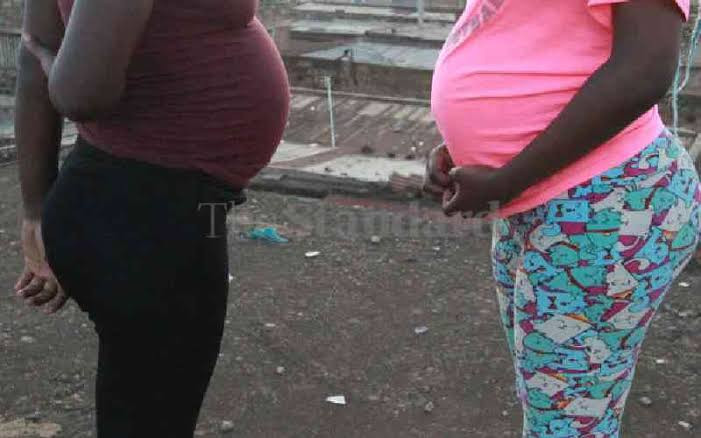
Cases of teenage pregnancies in Murang’a have reached alarming levels, with health stakeholders and administrators calling for concerted efforts to curb the trend.
Data compiled from health facilities shows that Murang’a recorded 3,019 teenage pregnancies in 2025, while another 1,481 cases were reported between January and June 2026.
County Reproductive Health Coordinator Caroline Macharia, speaking during a stakeholders’ meeting on the Triple Threat, said the figures were worrying, noting that girls as young as 10 had become victims.
She said 29 pregnancies among girls aged between 10 and 14 were recorded in 2025, with Murang’a South, Kandara, Gatanga and Ithanga among the areas reporting high numbers. Murang’a South Sub-County alone recorded about 600 cases in 2025.
“Teenage pregnancies in the county are on the rise and the numbers are alarming. This calls for urgent action to address the matter and save our young girls from the mess,” said Macharia.
“A majority of them are having complications during childbirth, and some cases are so risky that they can lead to maternal deaths. We don’t want this to happen,” she added.
Macharia noted that adolescent pregnancies present additional health risks, particularly when expectant girls delay or fail to attend antenatal care.
She said the county needed to strengthen the early identification of vulnerable girls, counselling and access to appropriate reproductive health information, as well as timely antenatal care for those who become pregnant.
Macharia noted that pregnancy at a young age can disrupt education and expose girls to social and economic difficulties, while complications during pregnancy and childbirth can pose serious health risks.
National data also shows that adolescent pregnancy remains a significant public health concern in Kenya. The 2022 Kenya Demographic and Health Survey found that 15 per cent of girls aged 15 to 19 had ever been pregnant, although the proportions varied considerably among counties.
Mercy Mumo, a representative of the police service, said the number of teenage pregnancy-related cases reported at police stations was significantly lower than the number recorded at health facilities.
Mumo attributed the disparity to reluctance among victims and parents to report defilement cases. She urged families to report suspected offences promptly to enable investigations and prosecution.
She said reporting would help security agencies establish the extent of the problem and take action against those suspected of sexually exploiting children.
Deputy County Commissioner Dorcus Mwangi said children should be protected from situations that expose them to early pregnancy and called on parents to take greater responsibility for their children’s protection.
She noted that cases involving children should not be treated as family matters where criminal offences are suspected.
“Those responsible for these cases should face the law because this is defilement of minors, which is punishable by law,” she said.
Mwangi called on community leaders, religious organisations, schools and other stakeholders to intensify sensitisation programmes targeting both children and parents.
She added that preventing teenage pregnancies should go beyond addressing pregnancy itself, noting the need to tackle sexual violence, school dropout, lack of parental supervision and barriers that prevent adolescents from accessing appropriate health and counselling services.
