
INSURANCE | Tight budgets and weak regulation keep uptake below 15pc, leaving billions in assets and premiums untapped
Kenya’s schools are sitting on a ticking time bomb as the vast majority of institutions remain uninsured despite repeated fires, thefts, and tragic accidents that disrupt learning and claim lives. New data shows that only 15 per cent of primary and secondary schools have any form of non-motor insurance, leaving millions of learners and billions of shillings’ worth of infrastructure exposed to financial ruin when disaster strikes.
According to the Kenya National Bureau of Statistics, there were 46,322 registered schools by the end of 2023, yet only 6,784 of them had non-motor insurance cover. This translates to a penetration rate of just 14.6 per cent, meaning more than 85 per cent of schools operate without protection against fire, accidents, or liability. Experts say this figure should alarm both policymakers and insurers, as it represents not only a gap in financial protection but also a missed opportunity for the insurance sector to expand into an underserved but sizeable market.
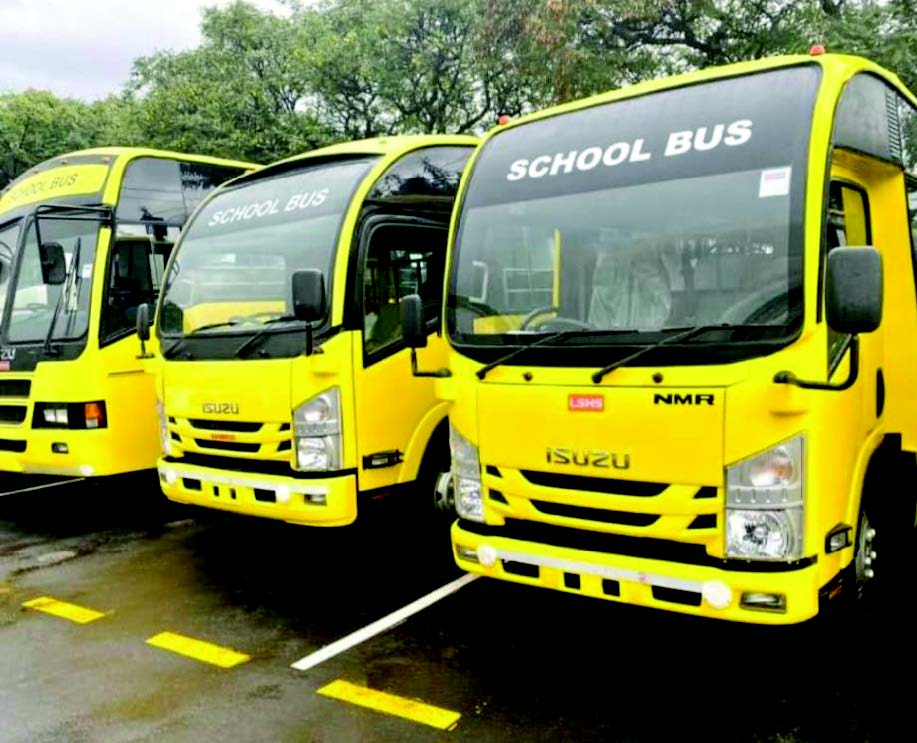
FOR INSURERS, THE FINDINGS POINT TO AN
PHOTO | COURTESY | TRBN |
UNTAPPED CUSTOMER BASE OF NEARLY
40,000
SCHOOLS, REPRESENTING MILLIONS OF
STUDENTS, ASSETS WORTH BILLIONS, AND A
VAST ECOSYSTEM OF PARENTS AND STAFF
Protecting learners
With less than 15 per cent of schools insured, the sector remains dangerously exposed. But if insurers, regulators, and education stakeholders work together, Kenya can turn a looming financial and human risk into one of the insurance industry’s strongest growth pillars—while protecting learners.
The risks are not hypothetical given that between January and September 2024, the Ministry of Education recorded 107 school fire incidents, including the Hillside Endarasha Academy blaze that killed 21 students and injured dozens. On one day in September alone, 10 separate fires were reported across three regions. Such events bring devastating human loss and leave families and communities grappling with unplanned financial burdens. Without insurance, reconstruction costs are shifted to parents through levies, to government through emergency allocations, or to donors. This reactive approach is costly and unsustainable compared to proactive risk transfer through insurance.
Several systemic challenges explain the low uptake. Many schools lack even the most basic safety infrastructure, such as extinguishers or updated asset registers, making it difficult for insurers to underwrite risks. Administrators and boards often have limited knowledge of insurance products and assume the government or parents will intervene in a crisis. Mistrust of insurers, particularly over claims settlement, further dampens interest. Public schools operate on tight capitation budgets that barely cover essentials like salaries and feeding programmes, so insurance is seen as optional. Private schools face irregular cash flows tied to termly fees, making it hard to pay annual premiums upfront. Compounding the problem, the Ministry of Education enforces safety standards but does not mandate insurance cover, leaving uptake largely discretionary.
Change your thoughts, you change your world
Simplified products
Yet within the challenge lies opportunity. Insurers could develop simplified products that bundle essential covers—such as fire, student accident, and liability—into affordable packages. Offering flexible, term-based premium instalments could make adoption easier, while digital platforms could cut paperwork and improve accessibility for remote schools. Awareness campaigns, regional forums, and partnerships with the Ministry of Education could build basic insurance literacy and trust among administrators. Regulators, too, could integrate insurance into compliance frameworks, gradually requiring schools to demonstrate risk transfer mechanisms as part of their registration.
For insurers, the findings point to an untapped customer base of nearly 40,000 schools, representing millions of students, assets worth billions, and a vast ecosystem of parents and staff. Properly structured, this market could deliver stable premium income while advancing social impact. For schools and parents, it would provide peace of mind and resilience.
