
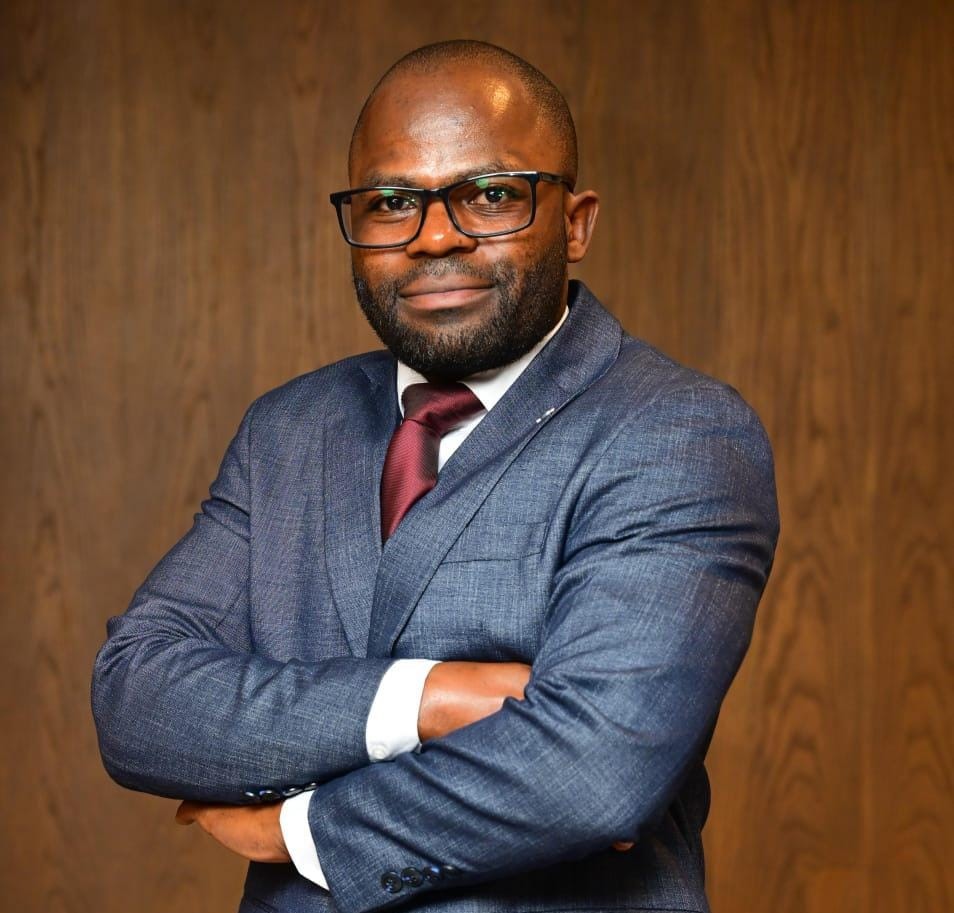
By Dr. XAVIER MUSONYE
History shows that increased vehicle ownership, poor safety culture, indifference, negligence, reckless speeding, drunk driving, and neglected road maintenance almost always lead to a surge in road accidents and preventable deaths. The same history also shows that deliberate actions can address road safety failures. Examples include the United States in the 1960s to early 1970s, where fatalities surged with rapid car ownership and weak regulation, peaking at over 50,000 deaths annually. The response was decisive: federal safety oversight, mandatory seatbelts, and stringent vehicle safety standards. In the United Kingdom, rising fatalities in the 1970s led to breathalyser laws, compulsory seatbelts in the 1980s, and the redesign of high-risk road sections. Sweden, facing persistent fatalities in the 1990s, adopted Vision Zero in 1997, reengineering roads and systems so human error would not result in deaths. In each case, nations did not merely hope for change; they acted firmly, deliberately, and consistently.
Kenya today stands at a similar crossroads. To families who have lost loved ones, words are never enough. The country mourns with you and stands in solidarity. May you find strength and comfort. To survivors living with life-altering injuries, we wish healing, courage, and grace as you rebuild. Many victims are not casualties of their own actions but of misjudgment and negligence of others, including drivers, mechanics, planners, and institutions entrusted with public safety.
Over the past years, Kenya has seen a troubling rise in road accidents, many fatal and avoidable. Yet we often label them misfortunes. They are not all. Most reflect a system that tolerates indiscipline, diffuses responsibility, and normalises risk.
Examples tell a painful story. On 28 September 2025, near Kikopey on the Naivasha–Nairobi highway, a 14-seater matatu collided head-on with a truck, killing 14 passengers, reportedly after the driver fell asleep. In another incident along the Nyeri–Nanyuki road, a lorry swerved to avoid a pothole and rammed an oncoming matatu, killing more than 17 passengers. In Kisumu, along the Kisumu–Kakamega road, a bus carrying mourners ran over a roundabout at Riat, killing 25 people. These are not isolated tragedies; they signal systemic failure.
However, systemic failure does not absolve individuals of responsibility; it explains how actions are enabled and repeated. Overspeeding, reckless overtaking, drunk driving, lane indiscipline, failure to speak up, swerving into oncoming lanes to avoid potholes, fatigue, and distracted driving are choices that collectively produce systemic failure. These behaviours are enabled by weak enforcement, poor road conditions, and normalised indiscipline at both personal and institutional levels. Responsibility, therefore, lies at both the individual and system levels.
We are complicit in these fatalities from offices and garages. Sacco management that fails to enforce mechanical checks on its vehicles and to discipline its drivers directly endangers passengers’ lives. A mechanic who releases a vehicle without proper inspection must assume liability for any resulting harm. Faulty brakes or undetected defects form part of the chain of causation. A road authority that leaves potholes unattended for months, causing tyre bursts, loss of control, and fatalities, is equally responsible. Road design decisions also matter. Where highways lack pedestrian bridges, people are forced into high-speed traffic. Where crossings are unsafe, poorly lit or poorly maintained, pedestrians are pushed back onto dangerous roads. These are not passive oversights; they are decisions that shape life-and-death outcomes.
From a systems perspective, road safety is not a collection of isolated failures but an interconnected system. Driver behaviour, enforcement, infrastructure, and vehicle condition interact dynamically. Failure in one amplifies risk in others. Weak enforcement encourages recklessness. Poor infrastructure magnifies consequences. Mechanical negligence removes safeguards. Together, they create reinforcing loops of predictable disaster.
Perhaps the most troubling reality is that we have normalised this system. Passengers remain silent as vehicles are driven recklessly. Pedestrians cross highways with resignation. Highways are built without pedestrian bridges, and roads are built without cycle paths or footpaths. Safety has become optional in practice.
As schools reopen, urgency deepens. Thousands of children, parents and teachers will return to roads, walking, boarding buses and matatus, crossing highways. Their safety cannot be left to chance. Drivers must treat them as their own. Passengers must speak up. Vehicle owners and their mechanics must be deliberate in servicing vehicles. Responsible institutions must fix dilapidated roads. Citizens must refuse silence in the face of danger.
A nation that treats safety casually cannot make meaningful progress. Discipline, accountability, and responsibility are not abstract ideals; they are the foundation of national development.
Road Safety Is Our Civic Duty: We Are Failing It
History shows that increased vehicle ownership, poor safety culture, indifference, negligence, reckless speeding, drunk driving, and neglected road maintenance almost always lead to a surge in road accidents and preventable deaths. The same history also shows that deliberate actions can address road safety failures. Examples include the United States in the 1960s to early 1970s, where fatalities surged with rapid car ownership and weak regulation, peaking at over 50,000 deaths annually. The response was decisive: federal safety oversight, mandatory seatbelts, and stringent vehicle safety standards. In the United Kingdom, rising fatalities in the 1970s led to breathalyser laws, compulsory seatbelts in the 1980s, and the redesign of high-risk road sections. Sweden, facing persistent fatalities in the 1990s, adopted Vision Zero in 1997, reengineering roads and systems so human error would not result in deaths. In each case, nations did not merely hope for change; they acted firmly, deliberately, and consistently.
Kenya today stands at a similar crossroads. To families who have lost loved ones, words are never enough. The country mourns with you and stands in solidarity. May you find strength and comfort. To survivors living with life-altering injuries, we wish healing, courage, and grace as you rebuild. Many victims are not casualties of their own actions but of misjudgment and negligence of others, including drivers, mechanics, planners, and institutions entrusted with public safety.
Over the past years, Kenya has seen a troubling rise in road accidents, many fatal and avoidable. Yet we often label them misfortunes. They are not all. Most reflect a system that tolerates indiscipline, diffuses responsibility, and normalises risk.
Examples tell a painful story. On 28 September 2025, near Kikopey on the Naivasha–Nairobi highway, a 14-seater matatu collided head-on with a truck, killing 14 passengers, reportedly after the driver fell asleep. In another incident along the Nyeri–Nanyuki road, a lorry swerved to avoid a pothole and rammed an oncoming matatu, killing more than 17 passengers. In Kisumu, along the Kisumu–Kakamega road, a bus carrying mourners ran over a roundabout at Riat, killing 25 people. These are not isolated tragedies; they signal systemic failure.
However, systemic failure does not absolve individuals of responsibility; it explains how actions are enabled and repeated. Overspeeding, reckless overtaking, drunk driving, lane indiscipline, failure to speak up, swerving into oncoming lanes to avoid potholes, fatigue, and distracted driving are choices that collectively produce systemic failure. These behaviours are enabled by weak enforcement, poor road conditions, and normalised indiscipline at both personal and institutional levels. Responsibility, therefore, lies at both the individual and system levels.
We are complicit in these fatalities from offices and garages. Sacco management that fails to enforce mechanical checks on its vehicles and to discipline its drivers directly endangers passengers’ lives. A mechanic who releases a vehicle without proper inspection must assume liability for any resulting harm. Faulty brakes or undetected defects form part of the chain of causation. A road authority that leaves potholes unattended for months, causing tyre bursts, loss of control, and fatalities, is equally responsible. Road design decisions also matter. Where highways lack pedestrian bridges, people are forced into high-speed traffic. Where crossings are unsafe, poorly lit or poorly maintained, pedestrians are pushed back onto dangerous roads. These are not passive oversights; they are decisions that shape life-and-death outcomes.
From a systems perspective, road safety is not a collection of isolated failures but an interconnected system. Driver behaviour, enforcement, infrastructure, and vehicle condition interact dynamically. Failure in one amplifies risk in others. Weak enforcement encourages recklessness. Poor infrastructure magnifies consequences. Mechanical negligence removes safeguards. Together, they create reinforcing loops of predictable disaster.
Perhaps the most troubling reality is that we have normalised this system. Passengers remain silent as vehicles are driven recklessly. Pedestrians cross highways with resignation. Highways are built without pedestrian bridges, and roads are built without cycle paths or footpaths. Safety has become optional in practice.
As schools reopen, urgency deepens. Thousands of children, parents and teachers will return to roads, walking, boarding buses and matatus, crossing highways. Their safety cannot be left to chance. Drivers must treat them as their own. Passengers must speak up. Vehicle owners and their mechanics must be deliberate in servicing vehicles. Responsible institutions must fix dilapidated roads. Citizens must refuse silence in the face of danger.
A nation that treats safety casually cannot make meaningful progress. Discipline, accountability, and responsibility are not abstract ideals; they are the foundation of national development.
Dr. Xavier Musonye – Reseacher (Energy Systems Modelling and Sytems Dynamics Analysis)
