
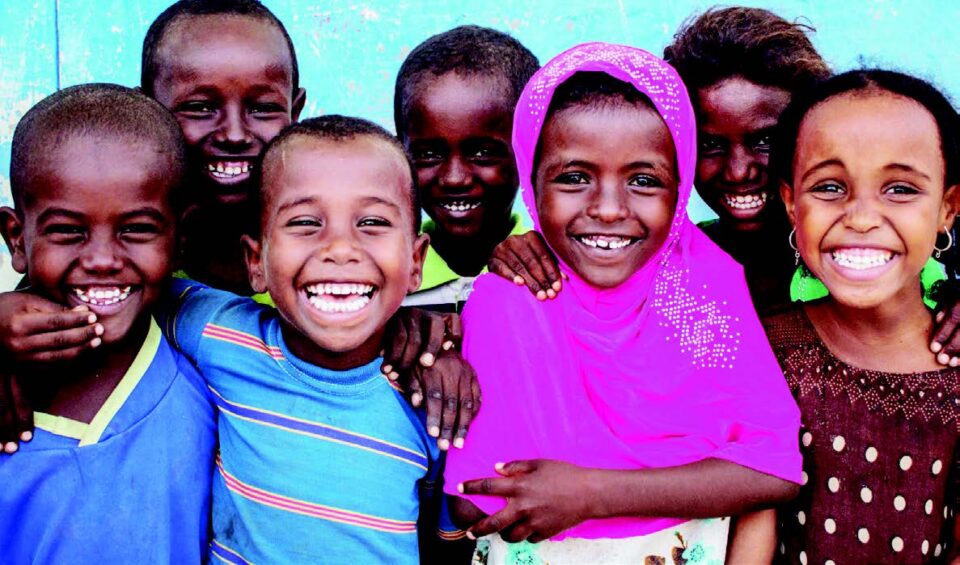
Forget about the rising hunger levels that has been reported in the region. Relief food may sort this situation, although not sustainably. The question here however is, how do governments deal with acute malnutrition that’s threatening 11.4 million children aged 6-59 months? The situation is even dire as it emerges that 3.1 million of them urgently need a lifesaving treatment for acute malnutrition which is not available. This is made worse due to significant funding cuts, that expose an estimated 1 million people who might not completely access this treatment.
“From conflict to economic challenges and climate extremes, the drivers of acute food insecurity in the IGAD region are interlinked and mutually reinforcing, increasing vulnerabilities, undermining resilience and reversing development gains,” the Intergovernmental Authority on Development (IGAD) Regional Focus of the 2025 Global Report on Food Crises sounds the alarm on widespread food insecurity and malnutrition in the region.
In this report released early in the week, 42 million people face high levels of acute food insecurity according to the Integrated Food Security Phase Classification 3 (IPC Phase 3 or above*) this year across six IGAD member states. They include; Djibouti, Kenya, Somalia, South Sudan, the Sudan and Uganda.
PHOTO | COURTESY | TRBN
In the five countries with comparable data since 2016; Kenya, Somalia, South Sudan, the Sudan and Uganda, the number of people facing high levels of acute food insecurity has tripled over recent years – from 13.9 million in 2016 during the first edition of the Global Report on Food Crises to 41.7 million in 2025.
According to the latest IPC figures for Kenya released on September 8, 2025, it’s estimated that 2.1 million people are projected to face high levels of acute food insecurity between October 2025 and January 2026. This is a 16 percent increase from the 1.8 million people currently experiencing high levels of acute food insecurity.
DISPLACEMENT
23.2 million people were living in forced displacement in the IGAD region as of the end of June — 17.8 million internally displaced (IDPs) and 5.4 million refugees and asylum seekers.Sudan remains the world’s largest internal displacement crisis with about 10 million IDPs. Uganda continues to host the largest refugee population on the continent, with over 1.9 million.
Climate prediction
“The situation is expected to deteriorate further, as the latest forecast by IGAD’s Climate Prediction and Applications Centre (ICPAC) points to drier-than-usual conditions in parts of the region, including southern Ethiopia, eastern Kenya and much of Somalia,” the report indicates further.
Some of these areas, particularly central and northern Somalia, have already experienced at least one below-average rainy season, and drought conditions already persist. Another below-average season risks driving further deteriorations in food insecurity and malnutrition.
Sudan and South Sudan are the largest and most severe food crises in the region. Sudan currently has the largest highly food-insecure population in the region, at 24.6 million, with Famine and risk of Famine in multiple areas. Meanwhile, South Sudan continues to have the largest share of people (57 per cent) in IPC Phase 3 and above in the region, with two of its counties at risk of Famine.
Harsama Kello, the Principal Secretary for Arid & Semi-Arid Lands and Regional Development at the Ministry of Agriculture, noted that the report is more than just a publication, but a call to action. He said it provides governments in the region with a clear picture of the situation it is grappling with, and draws attention to the critical issues that must be addressed collectively.
“Indeed, this report comes at a pivotal moment when our region continues to face multiple shocks – from droughts and floods to rising food prices, conflict and insecurity,” he said.
But again, amid these challenges, Harsama noted that there are encouraging signs of progress, stemming from stronger information systems, improved early warning, and resilience-building programs.
“For Kenya, food security is not just a policy priority, it is a constitutional right,” he stated, explaining that the Ending Drought Emergencies strategy provides the framework for coordinated action across both levels of government and partners.
Through the National Drought Management Authority (NDMA), he said the government will continue to invest in resilience projects in arid and semi-arid counties. This will ensure that communities are better prepared for future shocks, he said.
IGAD’s Executive Secretary, Dr. Workneh Gebeyehu, stated: “The food crisis in our region is more than just hunger; it’s a stark reminder of the interconnected challenges we face, conflict, the severe effects of climate change, economic shocks, and displacement. As IGAD, we strive to bring countries together, strengthen cooperation, and promote resilience, peace, and security.
Collective action
No single institution can tackle these crises on its own. Through collective action, working across governments, regional institutions, and partners, we can address the root causes of vulnerability and create lasting solutions for our people.”
FAO Subregional Coordinator for Eastern Africa ad-interim, Farayi Zimudzi, noted, “As this report shows, the IGAD region continues to face severe food insecurity, and the situation is worsening. Rural agricultural communities are among the worst affected.
Better diagnostics can save children lives, not antibiotics
Three things must be done urgently to reduce resistance to antibiotics by children, and by extension curb fatalities, experts are advising even as latest findings show that 86 percent of the samples subjected to laboratory testing showed no bacteria at all. This points to a scenario where children are given antibiotics at home or at another facility before admission; when samples are too little, poorly collected, or contaminated; or when delays in transport cause bacteria to die before testing.
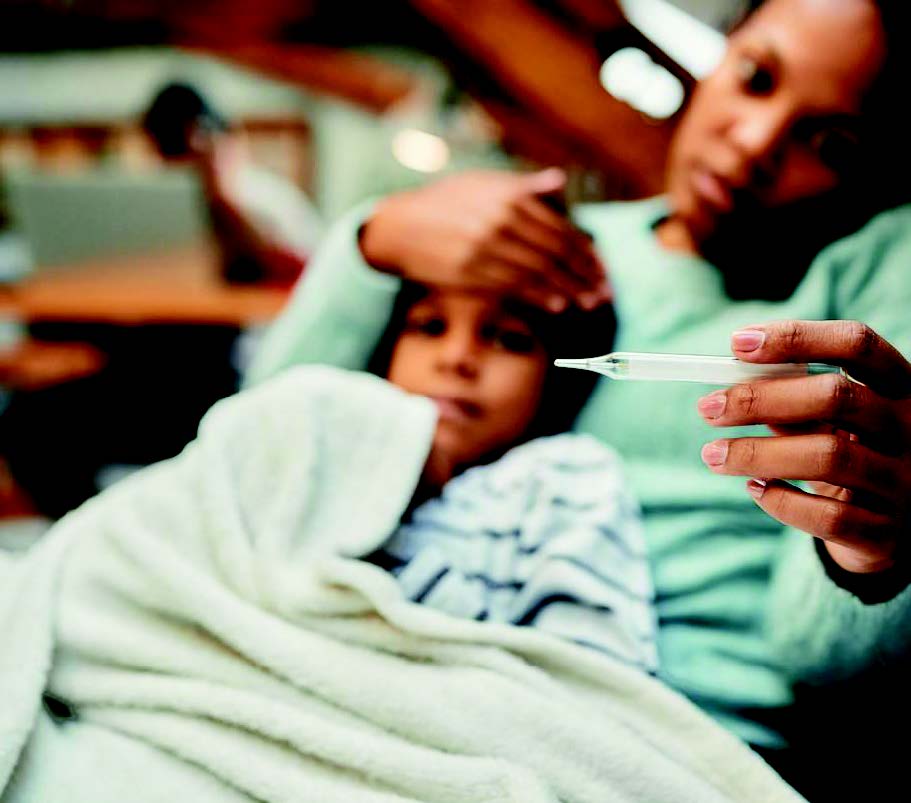
According to Dr. Veronicah Chuchu, the lead author of the study and a PhD Fellow at the University of Nairobi’s Center for Epidemiological Modelling and Analysis (CEMA), in the absence of reliable results, doctors often rely on broad “catch-all” antibiotics. “While sometimes life-saving, this approach drives resistance, prolongs hospital stays, increases costs, and tragically, can still end in death,” she notes, and suggests two approaches that must be prioritized as part of the initiatives to avert this deadly situation. Dr. Chuchu proposes that the country must have an enhanced diagnostic capacity to enable every child with an infection to access cultures and sensitivity testing. Secondly, she says there’s a need to strengthen laboratories by investing in infrastructure, skilled personnel, and timely reporting systems.
And thirdly, she feels that health facilities are still lagging behind in having laboratory testing as central to treatment decisions rather than defaulting to experience based therapy. The release of the findings coincided with the World Patient Safety Day marked every September 17, 2025, during which various stakeholders led by the government use it to raise public awareness about antibiotics; foster collaboration between partners and mobilize global action to improve patient safety. “On this World Patient Safety Day, let us commit to ensuring that every child in Kenya, and across Africa, receives safe care from the start, meaning that building stronger laboratories, training health workers, and making diagnostics as essential as stethoscopes,” Dr. Chuchu concludes. The World Patient Safety Day theme is, Safe Care from the Start: Why Better Diagnostics Can Save Lives. “Only then can we protect children’s health, preserve the power of antibiotics, and save lives,” The authors highlight.
-By George Morara
