
By George Kebaso
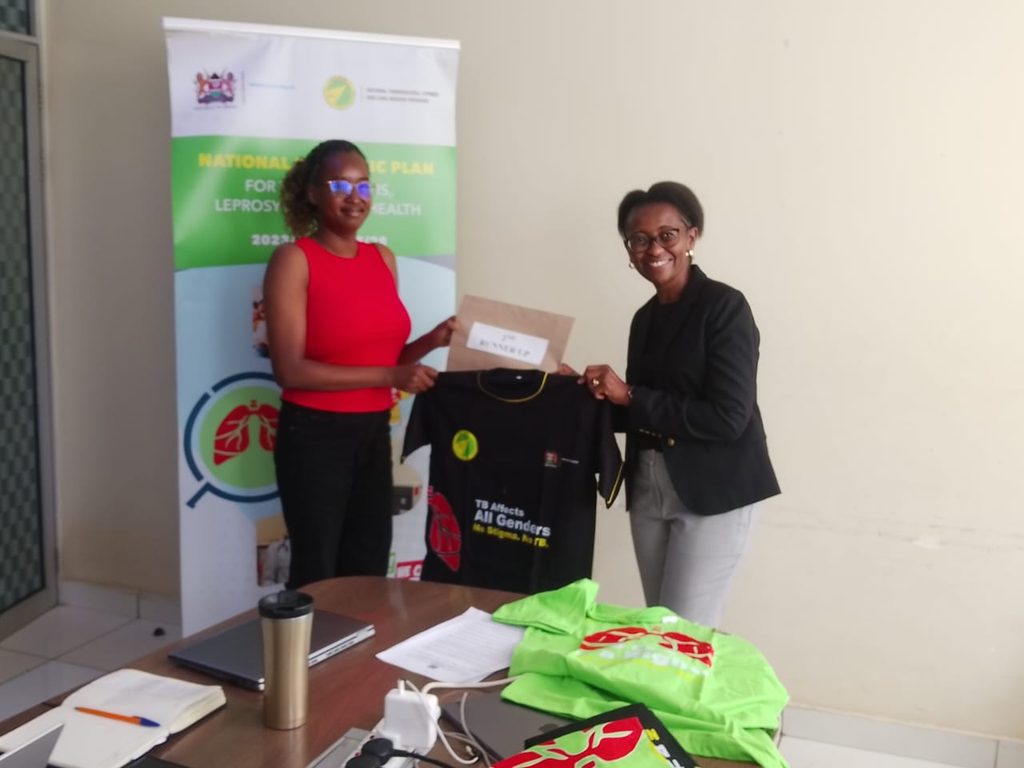
Carol Mburu’s excitement as she received a certificate of honour – for mounting a major campaign for the top End TB Tiktok Challenge Award – was not in the gentle smile, but in what appears to be a picture of an unfinished business.
She scooped the second prize in the campaign unveiled in August this year by the Global TB Caucus, calling on all the young people in Kenya to participate.
“Help us end TB through the power of creative digital action,” the global TB body stated listing mouth-watering cash prizes for first, second and third winners.
Mburu was diagnosed with tuberculosis, but the illness was only part of what she had to contend with. The stigma that followed the diagnosis left her distressed and reluctant to speak openly about the disease.
She recalls feeling judged after seeking treatment, including an encounter at a health facility where a healthcare worker appeared to assume she was living with HIV simply because she had TB.
“I remember crying so much. I think that is why I didn’t want to talk about TB in the first place, because everyone starts assuming things about you,” she said on Monday morning shortly before picking her prize.
Her experience of delayed diagnosis and stigma has since become a driving force behind her work as a TB survivor and advocate.
“Through community sensitisation, contact tracing and online content, I am focused on trying to help others recognise the disease, seek care early and challenge misconceptions,” she explained.
Mburu was among the voices at the End TB TikTok Challenge Awards Ceremony held on November 16, 2026, at the offices of the Division of Tuberculosis and Other Lung Diseases (DTLD).
She believes that the need for accessible information is deeply personal.
“I experienced months of illness before receiving a diagnosis, after seeking care at different facilities in Nakuru,” she said. It was an aunt who suggested that she consult a chest specialist, who ordered further investigations and diagnosed TB.
The Monday morning event celebrated young content creators who used social media to communicate messages about tuberculosis.
The challenge attracted 160 entries during a one-month campaign in September. Ten finalists were selected, with their content collectively attracting more than 70,000 views. Eight of the finalists had never created TB-related content before taking part.
The initiative sought to reach audiences, particularly young people, through a platform they increasingly use to access and share information.
“Creators were encouraged to draw on information from the Ministry of Health and seek clarification from TB experts before developing their content,” said Felix Mbetera, a Communications Specialist at The National Tuberclosis, Leprosy and Lung Disease Program (NTLD-P) in the Ministry of Health.
Among the entries was a Mama Mboga skit jointly created by Fancy Chepkoech, Zaituni Ali and Sharon Muthoni. Using a familiar community setting, the production communicated messages on TB awareness, prevention, early diagnosis and treatment, while challenging the stigma that continues to discourage open conversations about the disease.
The first-, second- and third-place winners received cash awards of US$800, US$500 and US$300 respectively.
The campaign responded to concerns that conventional health communication channels were failing to reach some young audiences. Research shared at the event indicated that adolescents and young people felt they knew too little about TB and struggled to find accessible information about the disease.
Rhoda Pola said young people involved in the research had observed that HIV information was more visible on social media than TB information.
“They wanted clearer communication on TB symptoms, diagnosis and childhood TB, and questioned whether traditional channels such as television were reaching their generation,” Pola said.
Some of the recommendations from the research had informed efforts by healthcare workers in Nairobi County to improve patient-centred care, she said.
A representative of the LIGHT Consortium said research undertaken with the Respiratory Society of Kenya and the African Institute for Development Policy (AFIDEP) had also highlighted the limitations of relying on newspapers, television, radio and other conventional channels to communicate with young people.
“The findings pointed to the need to recognise young people not merely as audiences but as content creators, innovators and partners in tackling misinformation,” said Brenda Mungai, a researcher wirh AFIDEP.
Digital content, she noted, can remain accessible long after a campaign ends, helping people searching online for information about symptoms, diagnosis and support.
However, she argues that increased awareness must be matched by health facilities capable of providing timely, respectful and patient-centred services.
Mburu underwent six months of treatment, while the experience, including the stigma she encountered, shaped her decision to speak out and support others affected by the disease.
Her advocacy also extends to the nutritional challenges faced by people undergoing treatment. Through her Nutrition to Heal Project, she guides beneficiaries on kitchen gardening and supports them to improve access to nutritious food. Three people have benefited from the initiative and, eating vegetables they had grown.
She is particularly concerned about TB in children. “Parents may not always recognise the signs and symptoms or know when to seek medical attention for their minors,” she says.
The discussion at the awards ceremony also turned to the obstacles people face before receiving a TB diagnosis. Some patients first visit community pharmacies or chemists, then move between health facilities before the disease is identified.
Participants said many people do not know which facilities offer TB diagnostic services, pointing to the need for better public information and stronger links between community pharmacies and the national TB programme.
They also raised concerns about inconsistent screening in health facilities and the need to strengthen the role of frontline healthcare workers in identifying people who may have TB.
Dr. Abdullahi Omar, the head NTLD-P, noted that the End TB TikTok Challenge has demonstrated what is possible when young people are given opportunity to become part of the solution.
“This tells us something important: TB advocacy does not have to remain within the health sector. Everyone has a role to play.
“Behind every TB statistic is a person, a family and a community. Through your videos, you have helped bring these stories into everyday concersations, reminding Kenyans that TB is preventable, treatable and curable,” he said in a statement delivered by Dr. Evans Kitusi, Senior Deputy Director, Pharmaceutical Services at .oH
The event highlighted the importance of addressing misconceptions that associate TB automatically with HIV.
Although TB can occur as an opportunistic infection among people living with HIV, a TB diagnosis does not in itself mean that a person has HIV.
Participants further emphasised that the response to TB must address factors beyond diagnosis and treatment, including nutrition, stigma and the social and economic circumstances that affect a patient’s ability to complete care.
A representative of the TB champions’ network said community-based support should draw on a wider ecosystem that includes TB champions, peer educators and mentors, alongside Community Health Promoters. These groups, participants argued, need stronger recognition, training and integration into the community health system.
The message from the discussions was that the TikTok challenge should not remain a one-off campaign. Young creators need sustained support and opportunities to work with health professionals and TB survivors to produce accurate, engaging information.
For Mburu, the purpose of speaking about TB is to ensure that others do not face the isolation and uncertainty she experienced. Her journey from a reluctant patient to an advocate illustrates the potential of lived experience to challenge stigma and make public health messages more relatabl
The challenge has shown that young people can help take TB information beyond health facilities and conventional media. The next task is to sustain that engagement—and ensure that when awareness prompts someone to seek help, the health system is ready to respond.
