
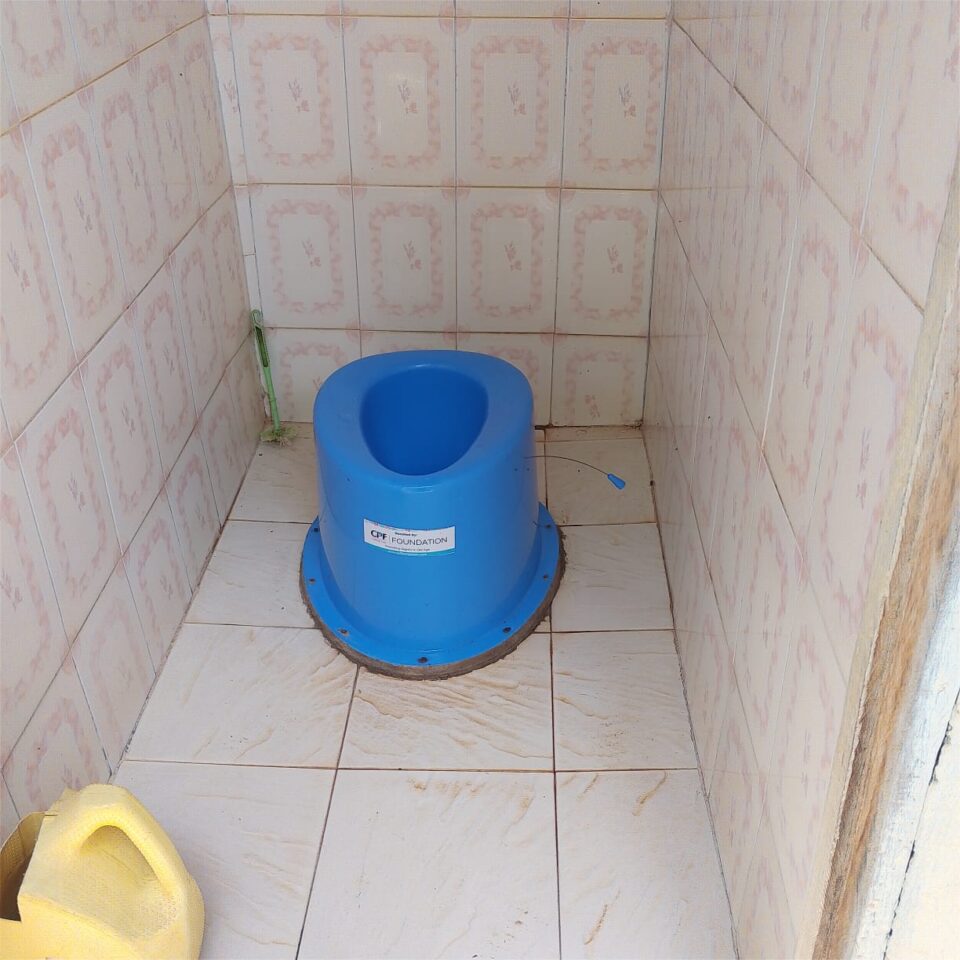
Mzee John travelled from his upcountry home for a medical appointment, but at destination in one of his son, Steve’s houses, he had challenge taking a long call.
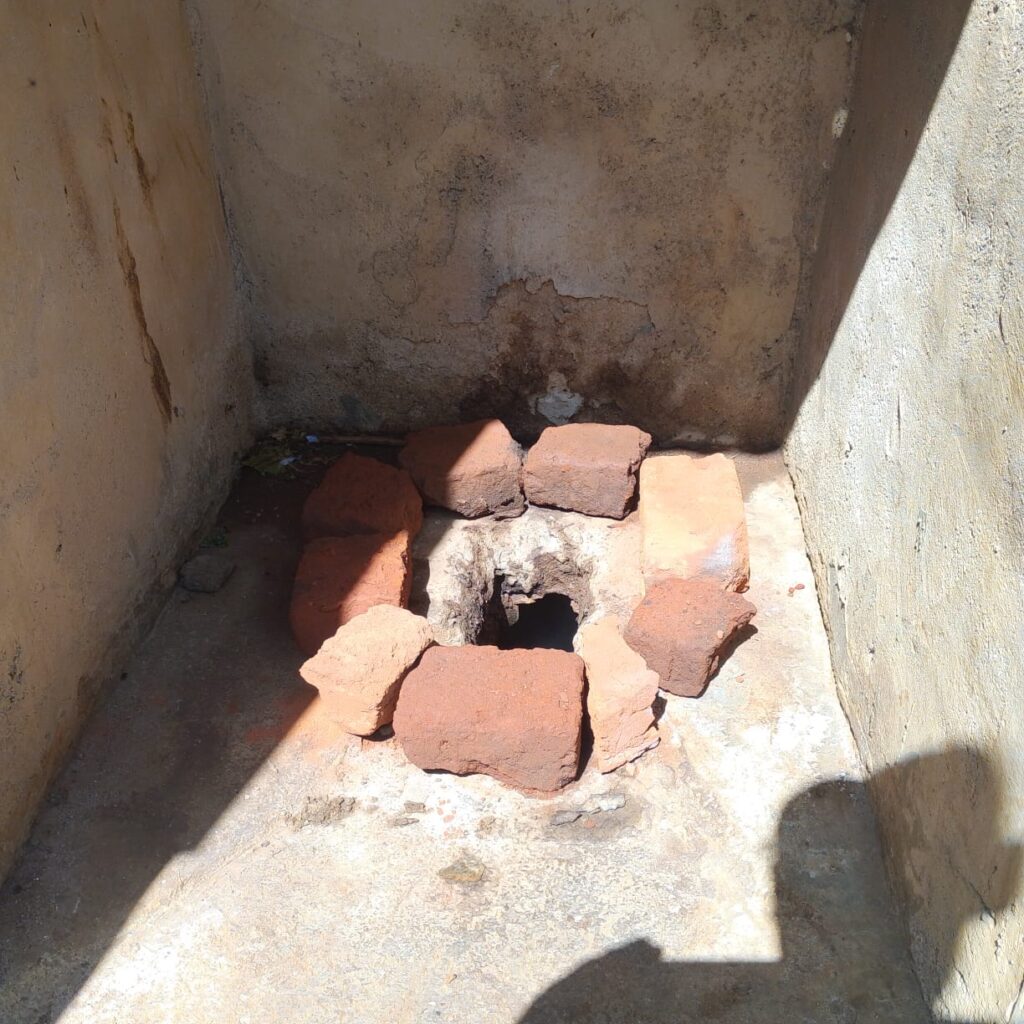
Here, Steve was residing in a place they were using a communal pit latrine and the old man found it quite difficult to squat.
This situation touched a witness who narrated this story, pointing out that this simple illustration means that it is very difficult for an older person to use a pit latrine.
“So, when this old man needed to go to the toilet, he went to the pit latrine and it was very difficult for him to squat, and so he refused, saying that he might fall down, and could possibly break his legs,” the witness narrated.
Steve had no option but to look for a taxi to ferry the father to his brother’s place in another part of town, where they were able to go to the toilet.
“The story looks very simple, but when this old man went to live with this older son, where they had a flush toilet, he said that that is where he will stay so long as he is accessing medicine in Nairobi,” the witness further said, even as fresh details emerge that the country has fewer than 10 geriatric doctors for the 3.6 million older persons.
This situation has kept millions of Kenyans – who are battling a range of ailments associated with age, including Non-Communicable Diseases (NCDs) – without specialised care.
Maurice Omolo, manager of the CPF Group Foundation, a charity department within CPF Group, said the country had no specialist geriatric health system, leaving millions of Kenyans to age without access to doctors trained in their specific conditions.
“In Kenya, we have very few doctors. In fact, less than 10 specialised geriatric doctors in Kenya,” noted Omolo, arguing that that the country has pediatricians who are focused on pediatrics; gynecologists dealing with women’s reproductive health issues, but a drop in the ocean with specialists for older persons.
The specialist for older persons or the issue of older persons is called gerontology, the study of aging, and the specialists to address challenges older persons face are called geriatrics.
Omolo pointed out that having sufficient care for older persons is also aligned to the national vision 2030 of Kenya, the Constitution of Kenya, Article 57 and 23 and many other articles on social protection.
“It is aligned with the African Union on aging,” he added.
The UN, he highlighted, has been in the process of coming up with a United Nations Convention on Older Persons, which Kenya has been an active participant.
“Therefore, this initiative we are doing on improving access to water and sanitation is part and parcel of the United Nations Decade of Healthy Aging, which began in 2020 up to 2030,” Omolo pointed out.
And in this particular declaration by the UN, the main intention is to combat the challenge of ageism or abuse against older persons, because they face different abuses; ranging from financial, economic, physical, and also access to adequate health care. Kenya and many of African countries do not have specialized health care targeting older persons.
Omolo said that conversations around improving the sanitation facilities, is just but one element amongst many other things, including access to medical services, affordable medical services, adequate shelter, and being together with the societies.
“Because some of the challenges, and the needs of older persons is what we are calling the three C’s. Older persons require cash. That is our regular source of income.
“And that is why we are advocating for the change of the pension system to universal pension, so that anybody over 60 years old should be able to get equitable pension, depending on where they are,” he noted.
The second C is compassion, which explains that every older person requires kindness, and not just sympathy, but empathy, and that there’s recognition that somebody a bit older, are not able to do what they were able to do when they were younger. In this situation, Omolo said that it should then be recognised those who are aging be considered and provided with whatever they require, which is relevant to their age.
And the third C, is care, the reason the CBF Foundation organised the “Swing for Seniors” campaign at the Nairobi Royal Golf Club last Friday, a charity golf tournament to fund age-friendly sanitation projects in rural communities.
The tournament brought together corporate leaders, philanthropists and development partners to raise funds for toilets, washrooms and water systems designed specifically for older people.
“Therefore, care means that they live in a safe environment, an environment that provides for their needs, especially even their sanitation needs,” noted Omolo, explaining that the three C’s are crucial when it comes to attending to the rights and dignity of older persons.
For many people, a toilet is a basic convenience. For millions of older Kenyans, it is a daily challenge that can determine whether they live with dignity or dependence.
That reality is driving a growing push to redesign sanitation systems in rural Kenya to better serve the country’s aging population, where physical infrastructure gaps intersect with poverty, inadequate healthcare and social isolation.
CPF foundation says it is targeting communities where basic infrastructure remains limited despite growing need. Kenya’s population aged 60 and above is estimated at about 2.7 million people, many of whom live in rural areas with limited access to safe sanitation.
“When somebody grows older, there are three essential things they require: cash, compassion and care,” he said.
He described “cash” as financial security in old age, noting that many Kenyans retire without reliable pensions. “Compassion,” he added, refers to social inclusion and empathy, while “care” includes access to safe housing, healthcare and basic infrastructure.
While pit latrines remain common across rural Kenya, they are often unsafe or inaccessible for elderly users with limited mobility. In some cases, older people avoid using them altogether due to fear of falling or injury.
“Our intervention focuses on building age-friendly sanitation facilities designed to reduce fall risks, improve privacy and ensure access to water for hygiene,” he emphasized, saying that CPF Foundation aims at reaching 10,000 older people over the next few years through improved water and sanitation access.
Alongside sanitation, advocates say Kenya’s elderly population faces widening structural challenges, including rising healthcare costs, limited pension coverage and growing loneliness as younger family members migrate to urban centers.
“There is a disconnect,” Omollo said. “Children move to urban areas while older persons remain in the villages.”
He also pointed to ageism, or discrimination based on age, as an emerging concern that can exclude older people from decision-making in families and healthcare systems.
“In some cases, people assume older persons cannot make decisions for themselves,” he said.
The CPF Foundation argues that improving dignity in old age requires both infrastructure and social change. The group’s work aligns with broader global efforts under the United Nations Decade of Healthy Ageing, which emphasizes inclusion, healthcare access and protection for older populations.
Public health data underscores the scale of the challenge. According to figures cited from the United Nations Children’s Fund (UNICEF) and the World Health Organization, only about 29 percent of Kenyans have access to basic sanitation, with rural areas facing significantly lower coverage and higher rates of open defecation.
These gaps disproportionately affect older people, who face greater risks of infection, injury and isolation when sanitation facilities are not designed for mobility or safety.
Dr. Hosea Kili, Managing Director and CEO of CPF Group, said corporate involvement is essential in closing these gaps.
“A lack of clean, accessible sanitation facilities doesn’t just invite illness, it strips away basic human dignity,” he said. “Through ‘Swing for Seniors,’ we are leveraging the spirit of sportsmanship to build lasting infrastructure.”
CPF Group Chairperson Susan Omanga said the initiative is designed to address systemic gaps rather than short-term needs. “Our intervention goes beyond providing basic amenities; it is about ensuring seniors are not exposed to preventable risks,” she said.
Beyond sanitation, experts say Kenya’s aging population is also facing growing healthcare and social protection pressures.
Despite these challenges, Kenya has expanded social protection programs and policy frameworks aimed at improving elderly welfare. However, advocates say coverage gaps remain significant, particularly in rural and informal settings.
“What we are talking about may seem small,” Omollo said. “But it is part of a much bigger effort to ensure older persons live with dignity, respect and the support they deserve.”
Omolo is encouraging young people to remember their parents, grandparents by speaking to them regularly to reduce that loneliness, which sometimes end up causing mental illness to older persons, depression and early death.
The life expectancy of Kenyans and people in Africa is a bit lower compared to that in Europe, simply because of some of these unavoidable challenges.
