
By DAN MUTAI
Kenya’s human rights situation deteriorated significantly in 2025, with security forces accused of unlawful killings, enforced disappearances, and widespread repression of dissent during protests, according to a new Amnesty International assessment.
The report paints a grim picture of escalating state violence, shrinking civic space, economic hardship, and rising gender-based violence, warning that accountability and the rule of law are being systematically undermined.
“Kenya’s human rights situation deteriorated significantly,” Amnesty said, citing excessive force by security agencies and growing restrictions on fundamental freedoms.
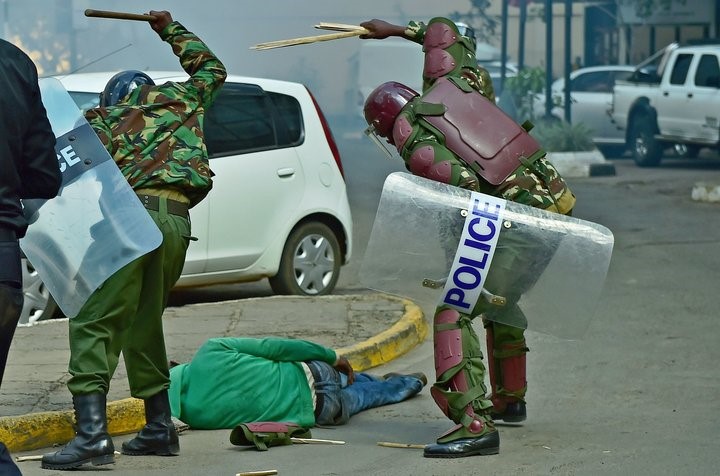
A key focus is the crackdown on protests that began on 25 June 2024 against a controversial finance bill and continued into 2025. The largely youth-led demonstrations were met with what Amnesty described as “unlawful and lethal force.”
At least 60 people were killed during the initial protests. Later anniversary demonstrations also turned deadly. During Saba Saba Day protests on 7 July, police used lethal and less-lethal force across more than 20 counties.
“At least 38 people were killed and more than 500 injured,” the report notes, adding that over 500 protesters faced criminal charges, including under anti-terror laws.
A youth activist said: “It is a war on expression rather than a response to peaceful protest. We are citizens asking for justice.”
The Kenya National Commission on Human Rights also recorded at least 19 deaths during June anniversary protests, alongside enforced disappearances and sexual violence against women demonstrators.
Amnesty further highlights sustained attacks on freedom of expression and media freedom. Journalists, bloggers, and human rights defenders were arrested, detained, or assaulted while covering protests or investigating abuses.
In one incident, the Communications Authority ordered a live broadcast blackout during protests, which critics said violated constitutional protections. A media advocate said: “Silencing live coverage is an attempt to control the narrative and hide abuses.”
The report also warns that proposed amendments to the Kenya Information and Communication Act and the Computer Misuse and Cybercrimes Act expand surveillance powers and threaten digital rights.
“These laws risk turning Kenya into a surveillance state,” Amnesty warned.
It documents rising enforced disappearances and extrajudicial killings linked to protests and activism. At least 15 people were forcibly disappeared during June protests.
Among cases highlighted is Albert Ojwang, who died in police custody in Nairobi after arrest over an online post. Police claimed suicide, but an independent autopsy found severe head trauma.
Street vendor Boniface Kariuki was shot during protest dispersals in Nairobi’s CBD, with a post-mortem confirming death from a close-range gunshot to the head. Amnesty said his death symbolised targeting of young people and informal workers.
The report also cites the Baby Samantha Pendo case, where four officers were charged over her 2017 killing, describing it as a rare accountability step but noting that systemic impunity remains.
It further highlights the abduction of Tanzanian activist Maria Sarungi Tsehai in Nairobi by masked men, raising concerns over transnational repression.
Beyond civil rights, the report details worsening economic conditions, including inflation, taxation, and rising costs of living, which have deepened inequality. Social protection spending remains below 1% of GDP.
Healthcare systems are under strain due to delayed payments, staff disputes, and medicine shortages. The Social Health Insurance Fund (SHIF) has been criticised after patients were reportedly denied care due to payment requirements and delays.
A health worker said: “We are forced to choose who gets treated based on payment, not urgency.”
The withdrawal of the “Linda Mama” maternal health programme further reduced access to essential services.
Forced evictions in Nairobi informal settlements, including Lang’ata, also drew criticism after hundreds were displaced for the Affordable Housing Programme without compensation.
Refugee reforms under the Shirika Plan were affected by funding cuts, reducing food aid in Kakuma and Dadaab and triggering protests that in some cases led to clashes and at least one death.
The report also warns of a gender-based violence crisis. Between January and March, 129 women were killed, mostly by partners or acquaintances. More than 930 women have been murdered since 2016.
A women’s rights activist said: “We are mourning every week, yet responses remain slow.”
Amnesty concludes that Kenya is facing overlapping crises of political repression, economic hardship, and gender-based violence, with shrinking civic space and weakening accountability.
“The authorities must urgently end unlawful use of force, ensure accountability, and protect freedoms of expression and assembly,” the report states, warning that failure to act risks deepening violence, mistrust, and impunity.
