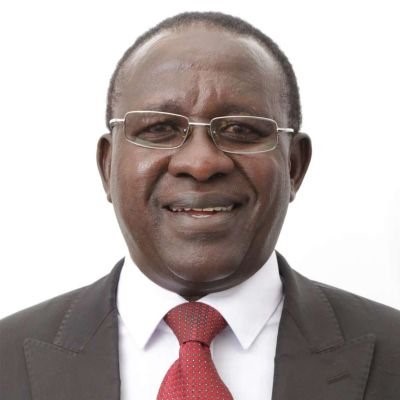
Former Teachers Service Commission (TSC) chief Benjamin K. Sogomo has petitioned the National Assembly and Senate to restructure Kenya’s Competency-Based Curriculum (CBC), arguing that the current system is both financially unsustainable and operationally challenging.
In his petition, dated October 12, 2025, Sogomo proposes adjusting the existing 2.6.3.3.3 structure — two years of pre-primary, six years of primary, three years of junior secondary (JSS), three years of senior secondary (SS), and a minimum of three years of undergraduate university education — to a more cost-effective 2.6.2.4.3 structure. Under this model, junior secondary would consist of two years housed in primary schools, while senior secondary would extend to four years in existing secondary schools.
“The current structure has been operational for seven years without the necessary legal approval from the National Assembly or enactment under law. It is labor-intensive, costly, and has created congestion in schools across the country,” Sogomo said in the petition. “The structure did not fully consider the financial and human resources required for successful implementation.”
Sogomo notes that the CBC is designed to be skills-based, with learning sequenced developmentally to match the abilities of children at each stage. However, he says the current arrangement has strained both teachers and facilities, leading to inefficiencies.
“The CBC emphasizes skill acquisition and appropriate methodology, but the way the curriculum is structured has led to unintended consequences,” Sogomo explained. “Children in junior secondary are placed in overcrowded primary school compounds, while senior secondary students face teacher shortages and limited resources. This has compromised learning outcomes.”
The petition references recommendations by the Presidential Working Party on Education Reforms (PWPER), established by President William Ruto in September 2022. The working party, whose report was released publicly in July 2023, advised integrating junior secondary schools into primary schools to reduce commuting and enhance accessibility. According to the petition, about 23,000 classrooms have been constructed with support from the Ministry of Education, the National Government Constituency Development Fund (NG-CDF), and donors, leaving around 7,000 classrooms still required. Additionally, facilities such as laboratories, music rooms, and pre-technical classrooms recommended by the PWPER have not yet been widely implemented.
“The intention behind integrating junior secondary into primary schools was to ensure that students remain close to home and benefit from existing infrastructure,” Sogomo said. “However, the human element was overlooked. Teachers’ unions have raised concerns about autonomy, and group dynamics between primary and junior secondary teachers have created tension and inefficiency.”
Sogomo further highlights teacher allocation challenges. Initially, primary school teachers were barred from teaching junior secondary, prompting the TSC to recruit 76,000 graduate and diploma teachers, with a further 24,000 expected by January 2026. Despite this, the senior secondary level faces a shortage of approximately 78,000 teachers due to subject specialization requirements.
“The proposed 2.6.2.4.3 structure allows junior secondary to be taught by primary school teachers, who will be retooled and mentored by quality assurance officers,” Sogomo said. “Meanwhile, senior secondary will benefit from better-equipped facilities and additional teachers, addressing current shortages and reducing strain on the Treasury.”
The petition also emphasizes that extending senior secondary to four years will allow for more comprehensive skill development and enable students to specialize in pathways that better match their interests and future careers.
“The changes will not only improve learning outcomes but also reduce the need for additional infrastructure and teachers, saving significant resources,” Sogomo noted. “It will also minimize tension between teachers’ unions and address ongoing disputes regarding autonomy and teaching roles at junior secondary level.”
Sogomo calls for the tabling of a sessional paper in the National Assembly to provide a legal and financial framework for the proposed reforms. He also recommends that relevant amendments be made to existing Acts of Parliament to align the legal framework with the proposed structure, noting that eleven laws are in need of amendment or enactment to fully support CBC operations.
“The National Assembly must consider these recommendations in order to bring social stability to schools, optimize teacher deployment, and ensure that students acquire the skills intended by the CBC,” Sogomo said. “The financial savings and operational efficiencies will ultimately enhance educational achievements across the country.”