
By DAVID WAFULA BBC
David Kuloba’s mother had long warned him about going to Russia, but the 22-year-old insisted he had secured a promising job. Living in Nairobi’s crowded Kibera settlement, the family had been excited at first when he said he found work abroad through a Kenyan recruitment agency. For a young man surviving on casual labour — from selling groundnuts to occasional construction jobs — the prospect of overseas employment felt like a rare break. He had hoped for work in the Gulf, like many Kenyan youths seeking better pay.
But when his mother, Susan Kuloba, finally asked which country he was travelling to, his answer shocked her.
“He showed me his phone and said, ‘Look, it’s Russia,’” she told the BBC’s Newsday. She pleaded with him not to go, reminding him of the troubling news reports about Russia. But David insisted the offer was legitimate and said he had been promised more than $7,000 on arrival — an unimaginable sum for someone with no stable income.
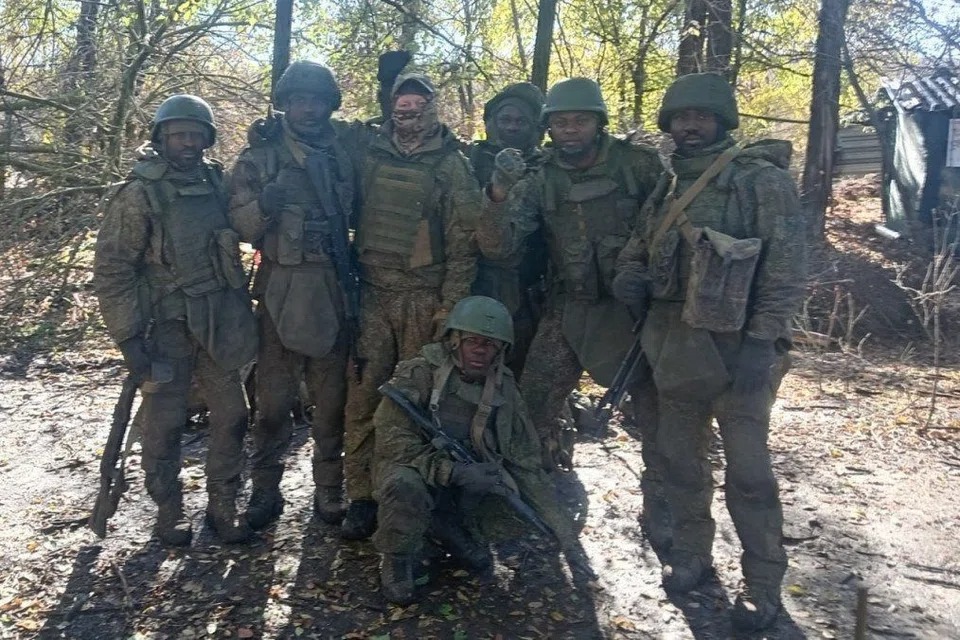
Despite her protests, he left in August without telling her exactly when. She only learned he had arrived when he sent her a message — along with a photo of himself in full combat gear.
He told her the job had changed, but insisted the new role “was not bad.” He explained that he and other Kenyan men had received two weeks of combat training and were being deployed to the front line in Ukraine, where Russia has been fighting since its 2022 invasion.
Within days, he told her they had been ambushed in a Russian-controlled area. Terrified, she begged him to return home, but he said he had signed a contract and needed to stay a year. Then came the message she feared most. On 4 October, David sent a voice note saying he was heading into battle and, if he did not survive, she should keep his Russian military ID and contract. He urged her to take the documents to the Russian embassy if anything happened.
That was the last time she heard from him.
Panicked, she sought help from one of her son’s friends, who told her he had heard David was dead. When she contacted the agent who had received them in Russia, the initial replies came in Russian.
After identifying herself, she was told in English that David was missing and feared dead. She asked for proof — a photo of his body or confirmation he was in a morgue — but nothing came.
The contact suggested she travel to Russia herself, something the family could not afford, and later claimed she was “entitled to compensation,” again offering no documents.
Unable to get official answers, she visited the Russian embassy in Nairobi, but was told the mission did not “associate with the army.” Now she is left in anguish.
“He was my first-born. I depended on him,” she said.
Another Kenyan father told the BBC his son had also travelled to Russia believing he had been hired as a driver. Instead, he was sent to Ukraine, wounded in battle and returned home deeply traumatised. Agents had promised him about $1,500 a month — considered good pay — but he too had been given only two weeks of training.
Last month, Kenya’s foreign minister said about 200 Kenyans were known to be fighting for Russia. Recruitment networks remain active, and several agencies are under investigation, with licences suspended. Parliament’s Defence and Foreign Relations Committee is probing how the agencies recruited youths and presented contracts.
Families, however, say the government’s response has been slow, leaving them helpless. Officials insist repatriation must follow diplomatic channels. Parliamentary majority whip Sylvanus Osoro said all known cases had been mapped and the circumstances of the contracts were being verified. New legislation is being drafted to tighten oversight of recruitment agencies.
The problem extends beyond Kenya, with similar cases reported across Africa. Some families fear stigma or legal uncertainty and stay silent.
Susan Kuloba still hopes for official confirmation about her son — or, if he is dead, for his body to be brought home. “I just feel heartbroken,” she said. “He thought he was going for a better job.”
