
At 15, 18, or 24, life is supposed to move forward: school, work, friends, and planning for the future.
For a young person diagnosed with tuberculosis, life suddenly shrinks to fit around a clinic schedule, a packet of pills, and rigid appointments. Reaching the clinic can mean missing class or risking a job. Taking medication on an empty stomach triggers severe nausea—yet if illness stops a young person from working, finding food becomes nearly impossible.
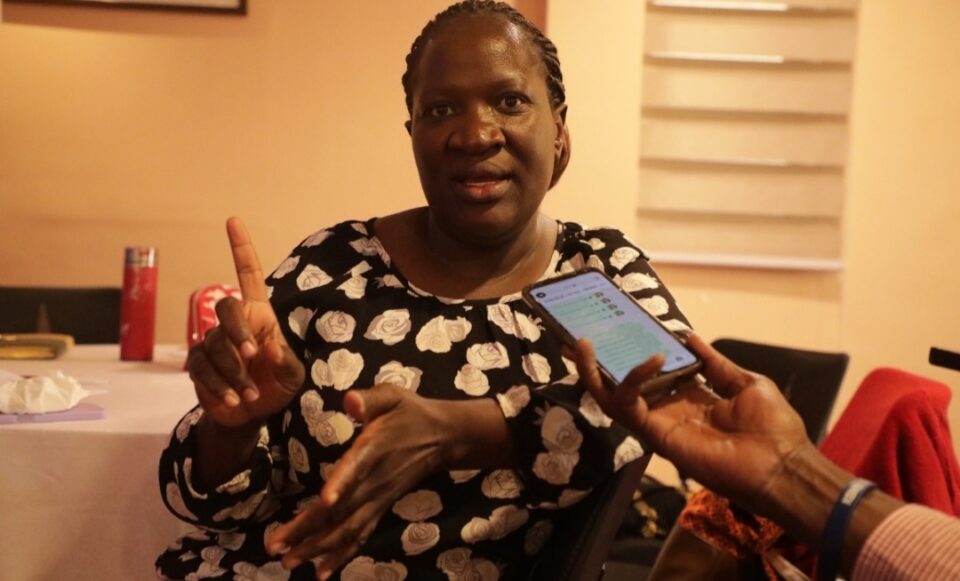
At Baraka Health Centre in Nairobi, nurse Eunice Mikamu sees this daily collision between medical regimens and real life.
“They have to work to eat, but when they are sick, they can’t work,” Mikamu says. The cycle is punishing as illness prevents work, lack of livelihood opportunities brings hunger, and this makes taking heavy TB drugs almost unbearable.
The problem is especially acute among young men aged 15 to 24, particularly those struggling with alcohol abuse.
Latest survey findings show this age group makes up the largest share of patients who simply vanish from clinic registers, and are lost to follow-up.
According to Mikamu, this is not because this age group refuses to heal, but most likely due to the system failing to bend around their reality.
Baraka’s experience reflects broader findings from the LIGHT Consortium, a research initiative studying TB care in Kenya, Uganda, Malawi, and Nigeria.
Rhoda Pola, who leads the Kenyan component at the Respiratory Society of Kenya (RESOK) interviewed young people who completed drug-susceptible TB treatment across six Nairobi facilities.
According to the researchers there’s a structural mismatch, which includes a standard 8-to-5 health system that’s attempting to serve a school-going population, or hourly wage labor.
“Most of our young people are either in school or just employed, so the eight-to-five shift does not work,” Pola says.
Leaving work repeatedly to fetch pills, she noted during a session with journalists in Nairobi, jeopardizes fragile livelihoods; leaving class causes students to fall behind.
Participants begged for simple adaptations including early morning hours, weekend slots, or evening pick-ups, Pola adds.
Before treatment even begins, many fight to be heard. Misdiagnosis is rampant. Patients reported being treated for pneumonia, asthma, pregnancy, or rheumatic fever before anyone tested them for TB.
“By the time a correct diagnosis arrives—often after visiting multiple chemists and private clinics—precious weeks have passed, leaving patients sicker and exposing family and classmates,” points out Pola.
Even after a correct diagnosis, fear takes over: who will find out?
Various individual patient and caregiver testimonies have indicated that TB carries heavy social stigma. Often, the first thing that exposes a patient isn’t a cough, but the conspicuous blister pack of pills.
“Participants complained that TB packaging was too large and impossible to carry discreetly,” Pola notes. In response, several Nairobi clinics began distributing medication inside plain brown envelopes—a tiny shift, but one that allows a teenager to carry their treatment without advertising their illness to peers.
Physical medication poses its own hurdle. Patients frequently arrive at clinics on empty stomachs, asking for a cup of tea or porridge before taking their daily dosage.
A fact-finding mission at the Baraka Health Centre in Mathare learnt that health workers are lobbying county governments for basic nutritional support to accompany treatment, because health centers lack funding for food programs,
To stop young people from dropping out of care, health workers are rethinking delivery models, and supplying multi-week medication buffers, so students don’t have to miss class for frequent clinic visits.
The health staff are also empowering community health promoters to drop off refills directly at patients’ homes, and also shifting public health communication to TikTok and Instagram.
A recent campaign with the Global TB Caucus generated over 70,000 views by engaging youth on platforms they actually use.
The hospital set-up has also replaced traditional health talks with music and dance outreach in social hubs.
“We want to come, but we want to dance,” a person who participated in the survey says.
There are also broader institutional changes on course with a remarkable collaboration between the National TB Programme and the Ministry of Education on a TB-in-schools policy designed to streamline screening and support in dormitories and classrooms.
However, the policy still awaits final confirmations.
The central lesson from the LIGHT study is about structural empathy as opposed to the breakthrough in pharmaceuticals.
“When a young worker skips an appointment, or a student stops taking pills, it is rarely a failure of will. It is a failure of fit. Expecting a teenager to sacrifice their education, privacy, or meager income to adhere to an inflexible clinic schedule guarantees low retention,” reflects Pola.
She believes that adapting care — through flexible clinic hours, discreet packaging, social media outreach, and home delivery — ensures treatment fits into a young person’s life, rather than demanding they put that life on hold to survive.
