
As Kenya’s political landscape gradually shifts towards the 2027 General Election, one of the Akamba community’s largest clans is turning to its traditional roots in an ambitious attempt to reclaim a place at the national decision-making table.
The Anzauni clan, whose leaders estimate its population at about 400,000 members, has launched a campaign to revive its traditional chiefdom, arguing that despite producing some of Kenya’s most celebrated independence-era leaders, the community has steadily slipped from the country’s political spotlight.
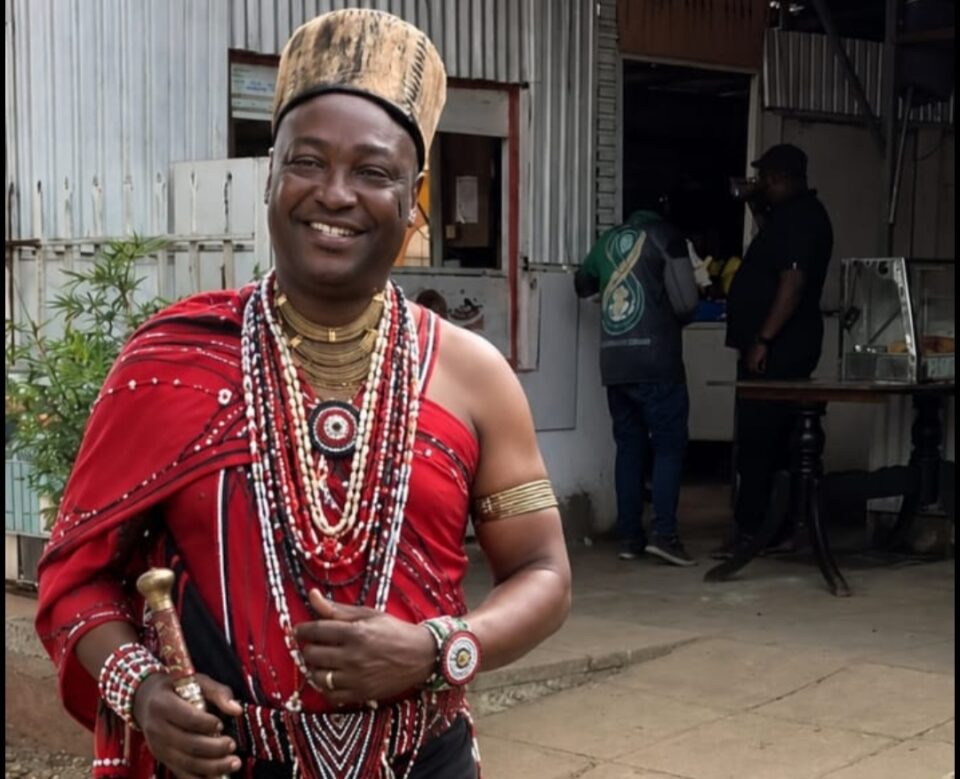
The renewed push gathered momentum on July 25 when clan elders meeting in Machakos resolved to restore a formal traditional leadership structure and unanimously installed National Liberal Party leader Dr. Augustus Kyalo Muli as Chief Kyalo Muli I. His official inauguration has been scheduled for October 3.
“We are moving our clan from obscurity to national prominence,” Chief Kyalo Muli I said after his installation.
For the elders, the initiative is about far more than restoring cultural traditions. They describe it as a deliberate strategy to unite the clan, preserve its heritage and rebuild its influence in national governance after years of what they perceive as political marginalisation.
Their argument is rooted in history.
The Anzauni clan traces its political pedigree to the country’s independence struggle through some of Kenya’s most distinguished leaders. Among them was Muimi Nzau, who in 1957 became one of the first eight Africans elected to the Legislative Council (LegCo) under the Lyttleton Constitution. He served alongside nationalist figures including Tom Mboya, Ronald Ngala, Oginga Odinga, Daniel arap Moi and James Gichuru during constitutional negotiations that laid the foundation for Kenya’s independence.
The clan also identifies with Kisoi, remembered for raising the Kenyan flag on Mount Kenya at independence; Fred Mati, Kenya’s first Speaker of the National Assembly; Nyiva Mwendwa, the country’s first woman Cabinet minister; and her husband Kitili Mwendwa, Kenya’s first African Chief Justice after independence.
Clan leaders say that despite this legacy, the Anzauni have not enjoyed comparable representation in national appointments, development programmes or strategic public leadership over the decades.
The revival of the chiefdom also carries political implications.
Chief Kyalo Muli first attracted national attention in 2024 after successfully resisting attempts to block his nomination to the Independent Electoral and Boundaries Commission (IEBC) Selection Panel. His legal and political stand placed him at odds with sections of the Ukambani political establishment, including allies of Wiper Party leader Kalonzo Musyoka.
Since then, the National Liberal Party leader has positioned himself as an independent voice in national politics, frequently criticising both the Kenya Kwanza administration and sections of the Ukambani leadership while maintaining that his party will only support governments that offer tangible development programmes for the region.
Political analysts say the revival of the Anzauni chiefdom could provide him with an organised cultural constituency at a time when political formations ahead of the 2027 elections are becoming increasingly fluid. While traditional institutions no longer exercise formal administrative authority, they continue to command significant influence in community mobilisation and grassroots engagement.
Organisers expect more than 10,000 clan members from across Kenya to attend Chief Kyalo Muli I’s inauguration on October 3. Invitations have been extended to leaders from both the government and the opposition, raising expectations that the ceremony could become more than a cultural gathering and evolve into an important political event.
Whether the revival ultimately translates into greater political influence remains to be seen. What is clear, however, is that the Anzauni clan is seeking to reconnect with its historic legacy while positioning itself to play a more visible role in Kenya’s evolving political landscape as the race towards 2027 gathers momentum.
