
By OLIVER MUSEMBI
University students have been hailed as key drivers in the fight against corruption, even as recent findings show that many young people increasingly view dishonest practices as acceptable.
According to the Ethics and Anti-Corruption Commission (EACC), a recent survey indicates that some young people consider practices such as tax evasion, corruption, the use of fake academic certificates and plagiarism to be acceptable.
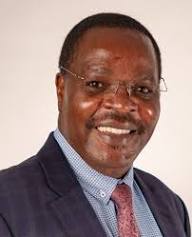
Speaking during the launch of the Ethics and Integrity Club at Mount Kenya University (MKU) in Thika, EACC Chairperson Dr David Oginde challenged students to take a firm stand against graft and become champions of integrity.
“I want to challenge our youth, particularly university and college students, to reject corruption, dishonesty and academic fraud, and instead embrace integrity as a foundation for national transformation,” he said.
The launch, themed “Rebuilding Trust Through Ethical Leadership,” brought together leaders from the anti-corruption sector, academia and government, who urged young people to become champions of ethical conduct in society.
“It is worrying that surveys reveal many young people do not see any harm in dishonesty. We are witnessing an upsurge in plagiarism among university students,” said Dr Oginde.
“At EACC, we are overwhelmed by investigations involving fake certificates, including cases of people holding very senior positions,” he added.
Dr Oginde cautioned that dishonesty continues to erode the country’s moral and economic fabric.
“Stand up against corruption. Corruption may promise quick rewards, but it destroys a nation,” he warned.
He questioned why students would seek shortcuts instead of earning genuine qualifications through hard work and commitment.
“Why go to university and fail to earn a genuine certificate that truly reflects who you are? No nation has ever thrived through corruption. Greatness is built on honesty, hard work and trust,” he said.
MKU Principal for Corporate Services and Director of Partnerships and Linkages, Prof Peter Wanderi, said the university had developed a common unit on ethics, integrity and responsible citizenship to strengthen value-based education.
He noted that the course unit had been approved by the university management and endorsed by the Deans Committee following consultations between the university leadership and a high-level delegation from the ethics sector.
Prof Wanderi said the initiative aligns with MKU’s institutional values and commitment to integrity.
“We need to keep talking about integrity at all times and also practise it. I am happy that even the MKU anthem speaks about integrity, which reflects our institutional values,” he said.
He added that the collaboration between MKU and ethics institutions is expected to enhance awareness, strengthen institutional partnerships and encourage student-led integrity initiatives and policy discussions within universities.
“As a university, we are ready and willing to support these efforts,” he said.
Principal Secretary in the State Department for Youth Affairs and Creative Economy, Fikirini Jacobs, urged young people to embrace values and ethical leadership that can positively transform the country.
“I beseech you to move forward while holding firmly to values and principles that can transform the country. Change must happen in a manner that does not become disastrous to us,” said Jacobs.
He challenged students to adopt a positive mindset and approach national issues differently by seeing opportunities rather than obstacles.
“See the cup as half full, not half empty. Appoint yourself, as I did, to be an ambassador of change because Kenya will not change without your participation,” he said.
Jacobs called on students to work together in promoting integrity and national transformation.
“Let us be comrades in this journey and uphold integrity together,” he added.
The launch of the Ethics and Integrity Club is part of broader efforts under the Kenya Leadership Integrity Forum (KLIF), a governance and partnership initiative aimed at fostering a unified and coordinated fight against corruption across institutions.
