
The launch of a comprehensive sickle cell clinic at Kianda 42 Level 4 Hospital in Nairobi marks a significant step in Kenya’s efforts to tackle the country’s growing sickle cell disease burden by bringing specialised diagnosis, treatment and long-term care closer to patients.
The clinic, established through a partnership between the Ministry of Health, Nairobi City County, the Children’s Sickle Cell Foundation and the Kenya-Tanzania (KETAN) project, will provide screening, laboratory monitoring, counselling and treatment, including hydroxyurea therapy, while improving access to early diagnosis and follow-up care.
years, many Nairobi families living with sickle cell disease have had little choice but to travel to referral hospitals such as Kenyatta National Hospital for routine reviews, laboratory tests and treatment—a journey that often comes with transport costs, long queues and lost work or school days.
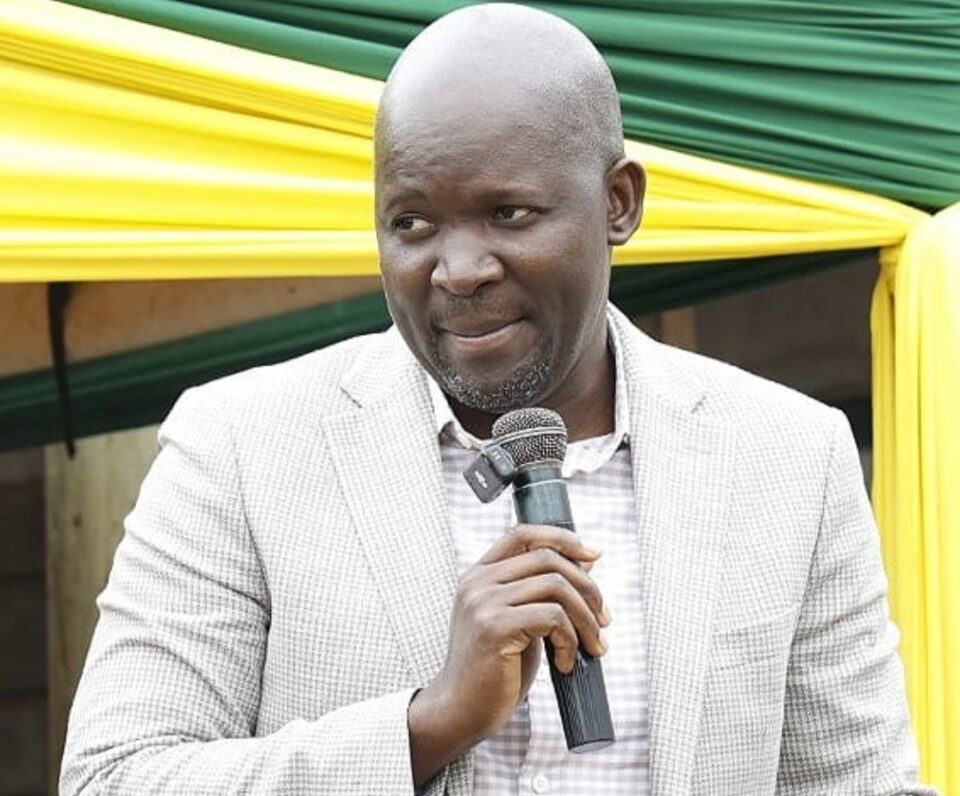
Nairobi County Director of Medical Services Dr. Moses Owino says the county wants to change that through a “hub-and-spoke” model of care that brings specialised services closer to communities.
Kianda 42 Level 4 Hospital will serve as the referral hub for patients from Kibra, Lang’ata and surrounding neighbourhoods, while additional satellite clinics are planned across the city. The county has identified facilities in Westlands, Buruburu, Githurai 44, Mathare North and Riruta as part of the expansion strategy, complementing existing services at Kenyatta National Hospital, Mama Lucy Kibaki Hospital and Bagathi Hospital.
“The first thing we need to do is mobilise more children to come and seek care,” Dr. Owino said, noting that the long-term goal is to ensure every child and adult living with sickle cell disease can access comprehensive care without travelling across the city.
He said the county has already established 10 of the 17 planned hub facilities under the model, with Kianda 42 selected because of the growing number of patients previously attending the Kibera clinic since 2020.
The hospital now operates around the clock and has been equipped with laboratory diagnostic services, essential medicines and trained health workers to provide comprehensive outpatient and emergency care.
Speaking during the launch, the Ministry of Health’s Head of the Division of Non-Communicable Diseases, Dr. Gladwell Gathecha, said Kenya records an estimated 14,000 babies born with sickle cell disease every year, while about 250,000 people are living with the condition.
“The country is therefore strengthening infant screening and expanding access to treatment to reduce complications and improve survival,” she added.
Children Sickle Cell Foundation Executive Director Selina Ogweno said the new clinic would improve access to healthcare for patients while strengthening community screening, genetic counselling and support groups to help reduce stigma surrounding the inherited condition.
She notes that many couples only discover they are carriers after giving birth to an affected child.
“Community screening allows people to know whether they carry the sickle cell trait,” Ogweno said, noting that “when people understand the science, stigma reduces because they realise this is a genetic condition—not a curse.”
For Jacqueline Oyamo, 37, who has lived with sickle cell disease since infancy, the new clinic represents more than improved healthcare—it offers hope.
Having previously travelled to Kenyatta National Hospital (KNH)for treatment, she said receiving care closer to home would ease both the financial burden and the physical strain of managing the disease. “This clinic means everything to me,” she said, noting that she no longer travels far for treatment.
For years, she travelled to KNH qbwhenever she needed specialised care.
Every visit came at a financial cost.
“We were not going there for free. Everything costs money,” she said.
“Now I have cancelled going to Kenyatta. I will be coming here.”
Her words captured both the physical and financial burden that thousands of Kenyans living with sickle cell disease continue to shoulder, while also symbolising a new chapter in efforts to decentralise specialised care.
Health officials said the initiative forms part of broader national efforts to decentralise specialised sickle cell services, strengthen newborn screening, improve access to essential medicines and ensure that more patients receive timely, comprehensive care within their communities.
