
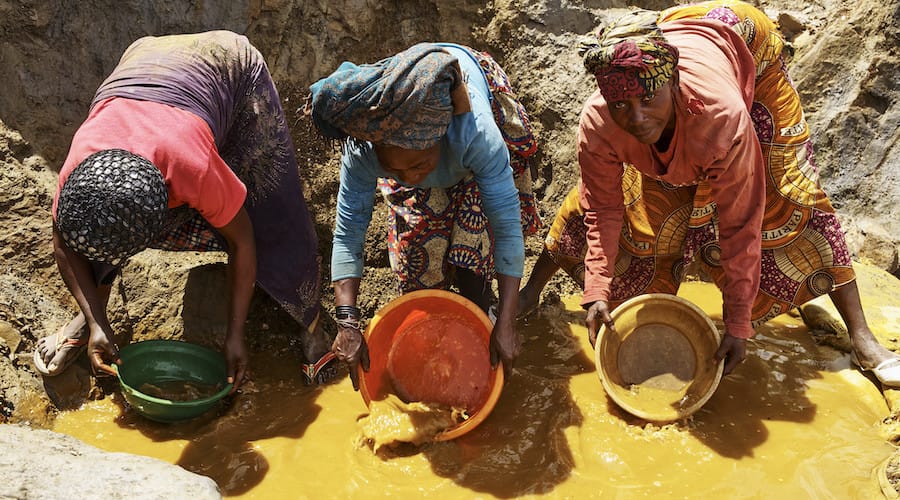
The East African Community (EAC) Secretariat, through its Information Repository, has signaled a landmark regional initiative: a comprehensive multi-sectoral audit of valuable goods and assets across its member states Kenya, Democratic Republic of Congo, Tanzania, Uganda, Rwanda, Burundi, Somalia and South Sudan (East African Community).
The move aims to dismantle the sophisticated networks responsible for massive resource leakages, primarily through illegal smuggling, chronic underpricing, and the stifling grip of cross-border cartels according to the Africa Centre for People, Institutions and Society (ACEPIS) which in 2025 proposed a policy seeking to stop weak governance framework limiting mineral resource gains for East Africa.
For years, the EAC integration process, designed to facilitate the free movement of goods and services, has inadvertently provided avenues for “criminals to move proceeds of crime freely within the region”. The proposed audit is a proactive response to reports from the East African Legislative Assembly (EALA) and the African Union, which indicate that billions of dollars are lost annually. The East African countries of Kenya and Tanzania are presently entangled in loss of cross border valuable goods and cargo whose origin is the Democratic Republic of Congo.
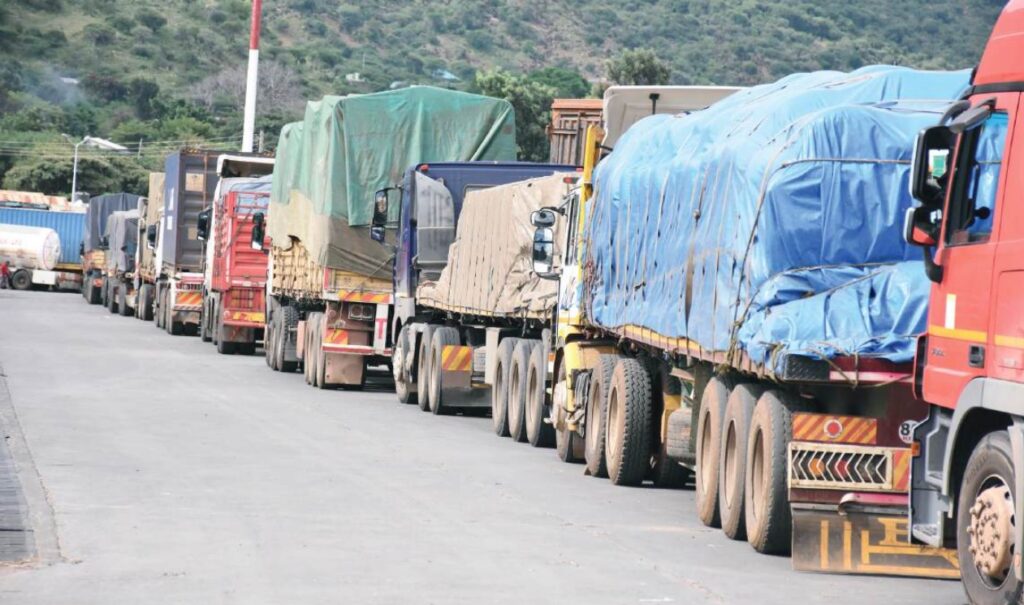
Key drivers of this leakage include, Minerals Under-pricing, where weak governance frameworks are exploited to export rare minerals at a fraction of their market value; Trade Mis-invoicing, a typical primary method of Illicit Financial Flows (IFFs) where companies manipulate prices to evade taxes and Smuggling Hubs, where gold and gemstones from conflict-sensitive areas like Eastern DR Congo often bypass official customs, laundered through neighboring EAC capitals before entering the global market.
The EAC audit seeks to build upon previous investigations that exposed systemic vulnerabilities. For instance, the Sentry reports have historically highlighted how significant proceeds of crime from South Sudan have been laundered into the Kenyan and Ugandan real estate and banking sectors.
In the minerals sector, current data shows that although East Africa holds a significant portion of the world’s rarest minerals, “mineral exploitation in the region is yet to spur necessary economic development” due to institutional capacity gaps and “criminal infiltration” of supply chains. Previous audits by national bodies, such as Kenya’s Ethics and Anti-Corruption Commission (EACC), successfully averted the loss of approximately KSh 16.5 billion in a single financial year through proactive investigations into procurement and resource management.
The upcoming regional audit seek to utilize the EAC Open Data Portal and the e-Tariff Tool to synchronize customs data and identify discrepancies in asset valuation. By harmonizing Anti-Money Laundering (AML) laws, the EAC intends to close, the “enforcement deficits” that currently allow cartels to thrive. This initiative is not merely a financial check; it is a strategic effort to ensure that the region’s vast wealth—from agricultural exports to critical energy transition minerals, directly funds the development of the 300 million citizens of the East African Community.
