
By AGGREY OMBOKI
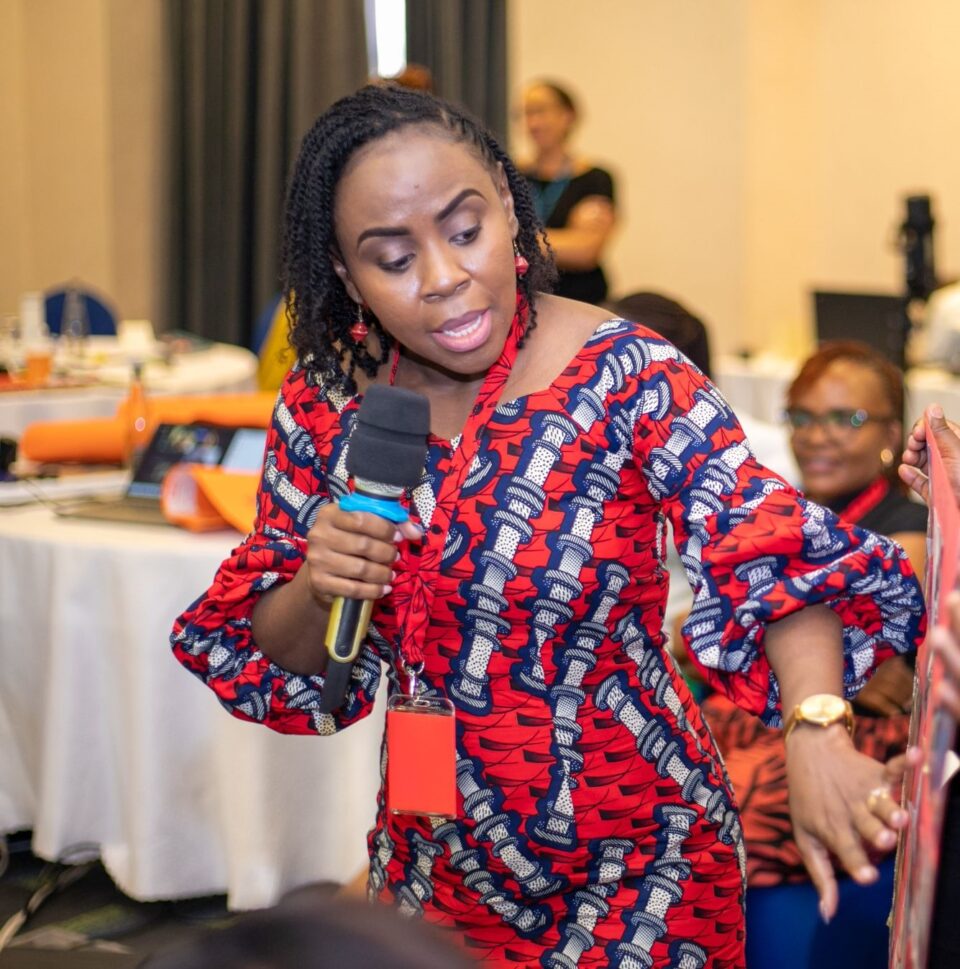
Grace Mwashigadi knows the weight of walking out of a hospital with empty arms—three times.
“The longest walk I’ve ever done was walking out of a hospital three times without a baby,” says the Co-Chair of the Lancet Stillbirth Advisory Committee. “I know first-hand what it means to be more than a statistic, because behind every stillbirth is a family, a mother, and a set of expectations, hopes and dreams that are suddenly interrupted.”
What followed those walks was silence—an absence of support that deepened her grief. “Too often, these experiences are met with silence and with systems that are not fully prepared to support families through loss,” she says. “Many people did not know how to respond or support me, and I remember how isolating that silence felt.”
Her story reflects a wider reality across Africa.
In the delivery rooms of Morocco, midwife Hanane Azouggagh has spent more than two decades witnessing both life and loss. Yet, she says, nothing prepares her for the moment when a newborn’s cry never comes.
“Stillbirth is the loss that never becomes routine.”
The numbers are sobering. The State of Africa’s Stillbirths report estimates nearly one million stillbirths across the continent in 2023—accounting for 52% of the global total. Despite years of intervention, Africa records roughly the same number of stillbirths as it did 25 years ago—equivalent to one every 30 seconds.
Progress has stalled. The stillbirth rate remains at 21 per 1,000 births, while population growth continues to outpace improvements. To meet global targets, Africa must accelerate progress eightfold.
The burden is highest in Central, Eastern and Western Africa, where stillbirth rates reach up to 34.9 per 1,000 births—more than four times higher than in Northern Africa.
Crucially, nearly half (48%) of stillbirths occur during labour. These intrapartum stillbirths are largely preventable and often reflect failures in health systems—when complications arise but timely interventions are not available.
Medical causes are well known: hypertensive disorders, untreated infections such as syphilis and HIV, anaemia, and placental complications. Yet weak data systems across many countries mean that these deaths are often not properly recorded or reviewed.
Speaking at the International Maternal Newborn Health Conference in Nairobi, Adeniyi Aderoba of the World Health Organization Africa region highlighted these gaps.
“Countries are counting stillbirths, but not consistently or in ways that support accountability or improvement,” he said. “We have data, but it remains weak, and gaps in policy continue to hinder progress.”
For families, the impact goes far beyond statistics.
Melita Matenchi, a mother from South Africa, has experienced stillbirth twice. “Returning home without a baby was devastating,” she recalls. “I chose connection and allowed my grief to be shared instead of carrying it alone.”
Her second loss, however, brought stigma. “Cultural blame and narratives questioned my choices and future,” she says.
Across Africa, stillbirth is often surrounded by silence and harmful beliefs—ranging from blame directed at mothers to accusations rooted in superstition. Studies from Uganda, Kenya and South Africa show how stigma compounds grief and isolates families when they most need support.
Health workers are also affected. Midwives and nurses often carry emotional trauma, burnout and a sense of failure, which can affect their wellbeing and the care they provide.
Yet signs of change are emerging.
In Kenya, health facilities are introducing “bereavement champions”—trained midwives who support grieving families with empathy. Structured programmes are also equipping healthcare workers with better communication skills.
Civil society groups like TEARS Foundation Kenya are building peer support networks, helping parents find community rather than isolation.
At the centre of these efforts is the Parent Voices Initiative, a partnership involving the Stillbirth Advocacy Working Group, the International Stillbirth Alliance, and the London School of Hygiene & Tropical Medicine. Kenya, alongside India, is piloting an advocacy toolkit to empower bereaved parents.
The toolkit outlines patient rights, offers strategies for self-advocacy, and shares lived experiences—reminding parents they are not alone.
“Loss changes you forever,” says Matenchi, “but it can also teach you strength and the importance of compassion.”
Still, experts stress that prevention requires collective effort. Representatives of the Stillbirth Advocacy Working Group Africa, including Vivian Gaiko, Grace Mwashigadi, Nonkululeko Shibula and Linda Vanooto, emphasise that both systems and communities must act.
“Stillbirth prevention is a shared responsibility,” they say. “Parents must seek antenatal care early, attend regular visits, report concerns promptly, and plan for delivery with skilled attendants.”
Dr Lucy Mazyanga of the Africa Centres for Disease Control and Prevention sees this as an opportunity to strengthen health systems.
“When we prevent stillbirth, we strengthen the entire system,” she says. “The solution is not new programmes, but improving existing ones—integrating stillbirth prevention into primary healthcare, universal health coverage, and maternal health strategies.”
This includes improving quality of care during childbirth, strengthening referral systems, investing in healthcare workers, and ensuring respectful care for all women.
Stillbirths are not inevitable. They persist due to preventable medical complications, compounded by cultural barriers, financial constraints and systemic weaknesses.
As Africa works toward the 2030 “Every Woman Every Newborn Everywhere” vision, the path forward is clear: stronger health systems, better data, skilled care, and families placed at the centre.
Because, as Hanane Azouggagh reminds us, the silence that follows a stillbirth is never routine. It is a wound—but one that, with compassion and action, can begin to heal.
