
By GEORGE OMBOKI
In 2025, Kenya lost nearly half of its funding for maternal and neonatal health following sharp cuts in donor support, a fiscal shock that threatens to reverse years of progress in reducing preventable deaths.
A new analysis presented at the International Maternal Newborn Health Conference shows that the country experienced a decline of up to 55% in donor funding—one of the steepest in the region, surpassed only by South Sudan and Uganda at 52%.
The report by PATH, which analysed multiple countries including Uganda, Tanzania and Ethiopia, found that the funding cuts triggered immediate disruptions in vaccine distribution, essential medical supplies and outreach services. Rural and marginalised communities were the most affected, as they rely heavily on donor-supported health programmes.
According to the Centre for Epidemiological Modelling and Analysis at the University of Nairobi, external funding for Kenya’s health sector dropped from KES 126 billion to KES 54 billion in the 2025/26 financial year. This followed the withdrawal of United States government support and reductions from other donors. The funding gap for essential medical commodities alone widened to KES 34.7 billion, raising concerns about continued access to life-saving medicines.
The implications are severe for a country already facing high maternal and newborn mortality. Kenya loses about 5,000 mothers annually to preventable pregnancy-related complications. The maternal mortality ratio stands at 355 deaths per 100,000 live births, while an estimated 92 newborns die each day. Post-partum haemorrhage accounts for 37% of maternal deaths, underscoring the need for sustained investment in maternal healthcare.
In response to the crisis, Kenya has introduced reforms to improve efficiency in health financing. The PATH analysis highlights changes allowing health facilities to retain and directly use funds collected through the Facility Improvement Fund. Previously, these funds were sent to county or national accounts, often causing delays in accessing resources.
However, experts warn that the crisis is compounded by broader economic challenges. Dr Caleb Mike Mulongo noted that rising debt burdens are limiting the government’s ability to increase domestic health spending.
“For every shilling, 66 cents go to debt servicing, leaving less than 30 cents for healthcare and other public needs such as education and security,” he said.
Despite these constraints, the government has made commitments to address the funding gap. Treasury Cabinet Secretary John Mbadi proposed allocating Sh138.1 billion to the health sector in the 2025/26 financial year. This includes Sh13.1 billion for the Primary Healthcare Fund and Sh4.6 billion for vaccines and immunisation programmes. Director General for Health Patrick Amoth has also pledged increased domestic investment in maternal and neonatal health.
In addition, a national roadmap to strengthen domestic health financing—whose pilot phase ended in 2025—is now being implemented for the 2026–2030 period. The Social Health Authority has announced disbursements totalling Sh18.97 billion for primary healthcare, including settlement of previous arrears.
Rachel Ndirangu, PATH’s Regional Director of Advocacy and Public Policy, emphasised the need to prioritise frontline services. “Primary healthcare is where maternal and child health becomes a reality for many families,” she said.
Kenya is also investing in its health workforce to bridge service gaps. Government data indicates that thousands of healthcare workers have been trained in emergency obstetric and newborn care. Budget allocations include Sh4.3 billion for medical interns, Sh3.2 billion for community health promoters and Sh303 million for personnel training. The country aims to have 96% of births attended by skilled health workers by 2027.
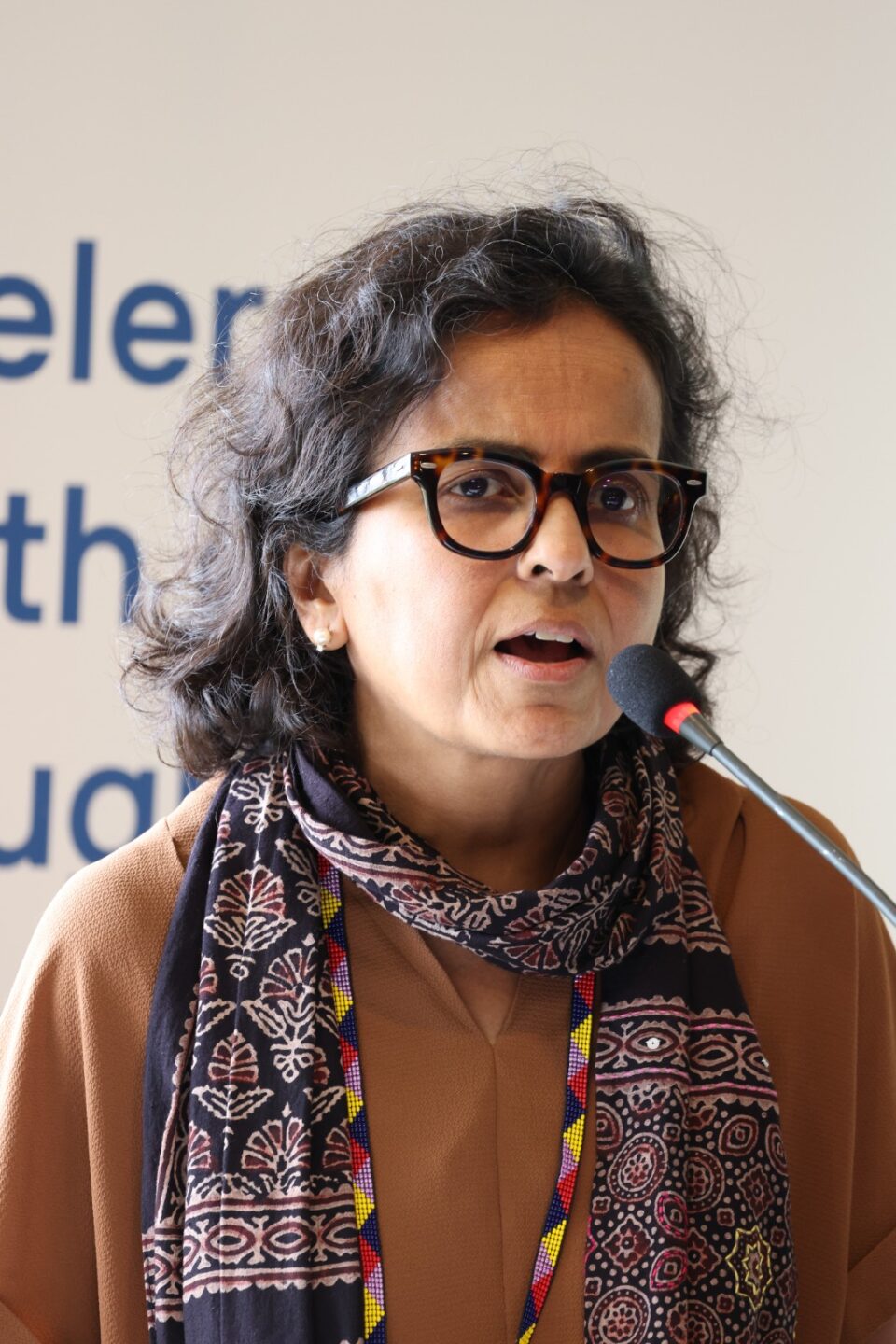
At the conference, Supriya Madhavan of the Global Financing Facility called for a shift in spending priorities, urging governments to redirect resources from tertiary care to primary healthcare.
She noted that many countries continue to allocate disproportionate funding to higher-level facilities, a trend that must change if universal health coverage goals are to be achieved and maternal and newborn deaths significantly reduced.
