
By AGGREY OMBOKI
This digital “Circle of Care” ensured no patient fell through the cracks, and 90% of participants were satisfied with confidentiality and support for prevention product delivery.
The primary outcome was reduction in HIV incidence, assessed using a LAg avidity recency assay, which detects HIV infections within the past four to five months.
HIV status was ascertained in 95% of participants in the control arm and 96% in the intervention arm, with testing for recent HIV acquisition carried out for 99.9% of participants.
The results tell a stark story of success. At the end of year two, HIV incidence was 70% lower in the intervention arm than in the control arm: only 0.06% of participants in the intervention group acquired HIV, compared to 0.19% in the control group.
There were seven recent infections in the intervention arm versus 22 in the control arm. Subgroup analyses by country, age, and sex showed incidence was significantly lower in the intervention arm for almost all variables.
The only exception was male participants. HIV incidence among men was already substantially lower than among women in both groups, resulting in no statistically significant difference between arms.
Among people living with HIV, viral suppression rates were similar: 81% in control communities and 82% in intervention communities.
Choice was the engine of this success. Dynamic choice prevention offered a range of options—including oral PrEP, the dapivirine ring, or PEP in Pocket, which is PEP supplied in case of future need—all available through the public health system. Participants could move between options depending on circumstances.
A secondary analysis showed four times as many participants used a biomedical prevention product in the intervention arm: 1.67% versus 0.41% in the control group.
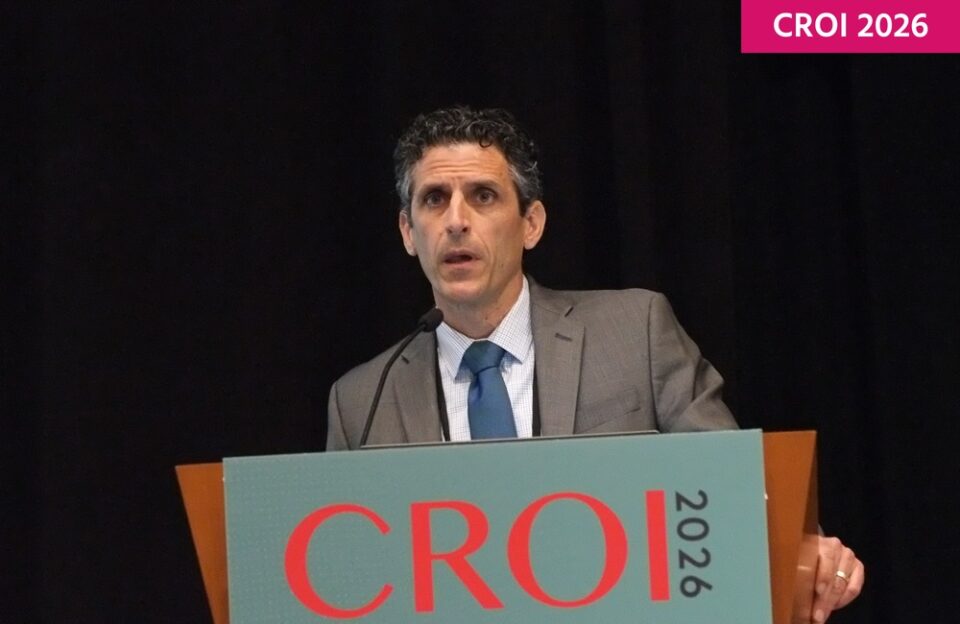
Presenting the results, Professor Gabriel Chamie of the University of California, San Francisco, emphasized that “increased HIV prevention coverage was a primary driver of the reduced HIV incidence.” The study design overcame multiple barriers to PrEP and PEP provision in rural areas, using community assessment to raise awareness and community health workers to deliver supplies.
Regarding scalability, Chamie explained that the model was developed in consultation with national ministries of health in Kenya and Uganda, leveraging existing resources such as clinics and community health workers.
The study took place in rural areas where viral suppression was already high, leaving its urban impact uncertain.
The core philosophy remains patient freedom.
When technology empowers health workers and patients can choose among prevention options, HIV transmission is dramatically curtailed. As Chamie concluded, “Access to a diverse range of prevention options is key.” This model now provides a global roadmap toward ending the AIDS epidemic.
