
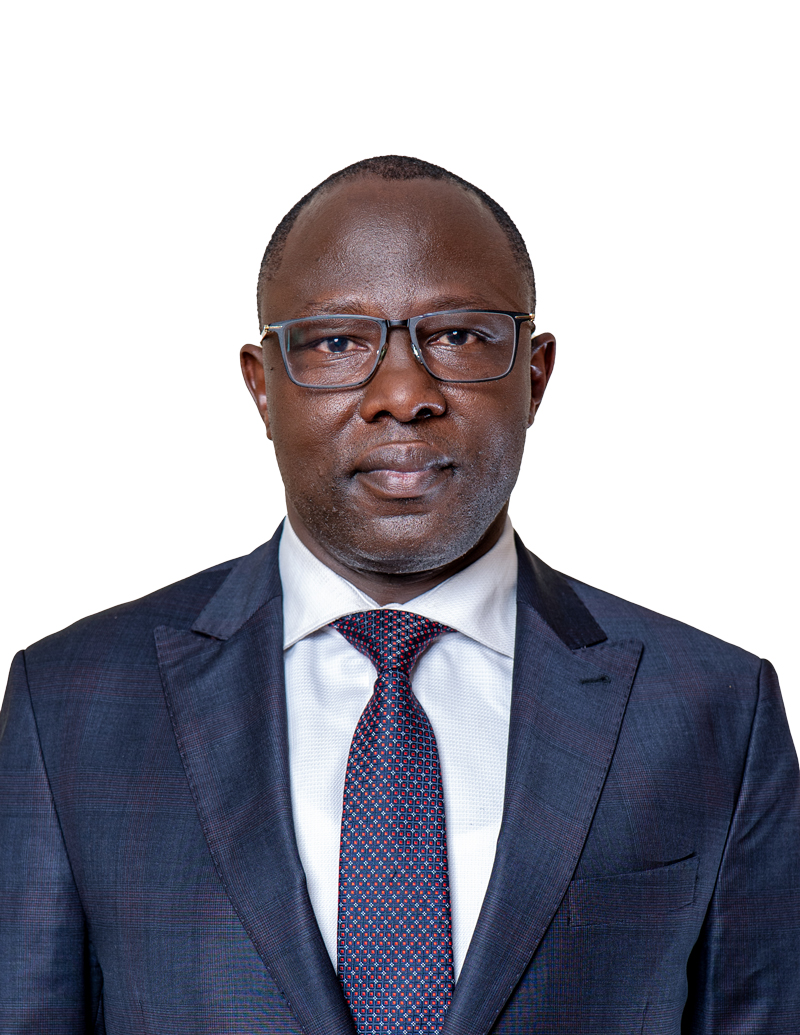
By SANDRA MULOMI
The appointment of a substantive chief executive officer at the Independent Electoral and Boundaries Commission (IEBC) has been thrown into uncertainty after deep divisions emerged among commissioners over the shortlist of candidates for the powerful position.
The disagreement threatens to further delay the appointment of the electoral agency’s chief executive at a time when preparations for the 2027 General Election are expected to gather pace.
“’The disagreement among the commissioners is so fierce that it threatens to frustrate the entire recruitment process,” a senior IEBC who declined to be named due to the sensitivity of the issue said.
Sources familiar with the developments said commissioners have been unable to agree on the eight candidates shortlisted for the position by KPMG, the professional services firm that was contracted to spearhead the recruitment.
KPMG is understood to have forwarded the list to the electoral commission about two weeks ago after completing the recruitment process.
However, the shortlist has reportedly triggered disagreements within the commission, with some commissioners said to be unhappy with the names submitted by the recruitment firm.
The development has created a fresh impasse at the commission, which is already operating under an acting chief executive and faces a tight timeline to put in place the institutional and logistical arrangements required for the next General Election.
The standoff comes at a particularly sensitive moment for IEBC, with the 2027 elections less than a year away and the commission expected to undertake extensive preparations involving voter registration, electoral technology, procurement, recruitment and training of election officials, voter education and constituency-level planning.
Yesterday, political analyst Prof Gitile Naituli said the delay in the appointment of IEBC chief executive was damaging the electoral agency more and eroding the little trust and confidence that had remained.
“The haggling among commissioners over the appointment of a substantive IEBC chief executive is a clear manifestation that some unforeseen forces are already pulling strings for their selfish interests,” Prof Naituli told the People Tribune.
The Multimedia university don said the delay in the appointment is deliberate and probably meant to stifle the agency’s operations.
The CEO is the commission’s chief administrative and accounting officer and plays a central role in implementing decisions made by the commissioners and overseeing the day-to-day operations of the electoral agency.
The continued absence of a substantive holder of the office could therefore complicate decision-making and long-term planning as IEBC transitions from preparatory activities to full-scale election management.
The commission is currently headed administratively by acting CEO Ruth Kulundu, who assumed office on August 5, 2026.
Kulundu took over from Moses Ledama Sunkuli, whose six-month tenure as acting CEO expired after he was appointed to the position on February 5.
Her tenure was intended to provide a temporary bridge as the commission completed the recruitment of a substantive chief executive.
Kulundu is expected to leave office at the end of this month after completing her two-month acting tenure.
The appointment of a substantive CEO had initially been expected by mid-September, raising concerns that the latest disagreement could push the process further behind schedule.
The leadership uncertainty at the secretariat has also raised questions about the ability of the commission to maintain continuity in its preparations for the 2027 elections.
When Sunkuli assumed office in February, IEBC chairman Erastus Ethekon indicated that he would serve for only six months, during which time the commission would appoint a substantive CEO.
Sunkuli had taken over following the departure of Marjan Hussein Marjan, who resigned after reaching a mutual agreement with the commission to terminate his services.
Marjan had served as IEBC chief executive for several years and was at the centre of the commission’s election management operations.
His departure left the electoral agency facing the challenge of recruiting a new administrative head while simultaneously rebuilding public confidence in the institution.
The recruitment of his successor has consequently attracted considerable attention, given the importance of the office in the management of Kenya’s electoral process.
The latest dispute over the shortlist could further expose the commission to political pressure and public scrutiny, particularly given the history of disagreements surrounding the management of elections in Kenya.
IEBC has previously faced intense political pressure over the conduct of elections, with disputes over the credibility of electoral technology, voter registration, transmission of results and procurement of election materials frequently becoming major political issues.
The commission is constitutionally mandated to conduct and supervise elections and referendums and to ensure that the electoral process is transparent, impartial, accurate and accountable.
The credibility of its senior leadership is therefore considered critical to public confidence in the electoral process.
The recruitment of the CEO through an external firm had been viewed as an attempt to provide an independent and professional process and shield the appointment from internal and political interference.
The reported refusal by KPMG to alter its shortlist could now become a key point of contention as commissioners weigh whether to proceed with the candidates identified through the process or start afresh.
Starting the recruitment process again would inevitably consume additional time, with the commission already working against an increasingly tight electoral calendar.
The 2027 General Election will require IEBC to undertake a series of complex activities long before polling day, including updating the voter register, determining polling stations, procuring election materials, recruiting election officials and conducting voter education.
The commission will also have to prepare for the delimitation and management of electoral units, deployment of technology and coordination with security agencies and other stakeholders.
A substantive CEO would be expected to provide administrative stability as these programmes are rolled out.
The position also serves as the link between the commission’s policy-making organ, the chairperson and commissioners, and the professional secretariat responsible for implementing decisions.
The prolonged acting arrangements could therefore create uncertainty over institutional continuity and strategic planning.
The current dispute comes as political parties and prospective candidates increasingly turn their attention to the 2027 contest, with alliances, coalitions and campaigns already beginning to take shape.
For the commission, however, preparations must remain focused on ensuring that the next election meets constitutional and legal requirements irrespective of the political competition.
The latest disagreement is also likely to renew calls for commissioners to put institutional interests ahead of individual preferences and political considerations.
The IEBC commissioners are collectively responsible for providing policy direction to the secretariat, while the CEO is expected to implement those decisions and oversee the commission’s administrative machinery.
Any prolonged disagreement at the top could therefore affect not only the recruitment of the CEO but also other critical decisions required as the election approaches.
For now, the fate of the eight shortlisted candidates remains uncertain, with the commission divided over whether to proceed with the process or return to the drawing board.
Unless the commissioners reach an agreement soon, Kulundu could leave office at the end of September without a substantive successor ready to take over.
That would leave IEBC facing yet another transition at a time when the electoral body is expected to demonstrate stability, independence and preparedness ahead of the 2027 General Election.
The unfolding dispute has consequently placed the recruitment of the next IEBC chief executive under intense scrutiny, with the commission under pressure to resolve its internal differences and ensure that preparations for the next election are not compromised by leadership uncertainty.
