
When Lucy Njeri Karanha walked into a Nairobi health facility in March 2018 seeking relief from the pain of an aching wisdom tooth, she expected to leave with little more than temporary discomfort.
Instead, what was meant to be a routine dental procedure left her with a fractured jaw, severed muscles and nerves, an inability to open her mouth properly, and months of pain that forced her to shut down her business.
Eight years later, the High Court has upheld a finding of medical negligence against the health facility and the practitioner who performed the extraction, a judgment that dental professionals say has reignited debate over patient safety, professional accountability and the growing menace of unqualified dental practice in Kenya.
In Ananda Marga Universal Relief Team (AMURT) & Another v. Lucy Njeri Karanha, the High Court dismissed an appeal by the health facility and its practitioner, affirming an earlier decision that found they had breached the duty of care owed to the patient. The Court also upheld an award of Sh605,200 in damages.
Justice Asenath Ongeri found that the patient had established the essential elements of negligence—duty of care, breach of that duty and resulting injury.
“This Court has further established that Karanha sought treatment at AMURT Health Centre after developing pain from a wisdom tooth,” the judge noted.
The Court found out that the affected person paid for consultation and extraction services and underwent the procedure.
According to the evidence before the court, she experienced severe pain during the extraction and repeatedly asked the practitioner to stop. The procedure nevertheless continued.
“Rather than recovering, her condition worsened,” court documents indicated further. She developed persistent swelling, infection, difficulty eating and was unable to open her mouth properly. After making several return visits to the same facility without improvement, she was referred to Kenyatta National Hospital.
Doctors there established that part of her jawbone had been removed during the extraction, leaving her with a fractured jaw, severed muscles and nerves, and trismus—a condition that severely restricts movement of the jaw.
The judgment has drawn renewed attention to the role of Community Oral Health Officers, after court proceedings identified the practitioner involved as belonging to that cadre.
While the court’s decision was based on negligence rather than professional licensing, it has prompted wider discussion within the dental profession about the importance of practitioners working strictly within their legally authorised scope of practice.
Dental experts note that Community Oral Health Officers play an essential role in expanding access to oral healthcare, particularly in underserved communities.
However, they emphasize that complex procedures, including difficult wisdom tooth surgery, require specialised training and should be referred to Dental Surgeons or Oral and Maxillofacial Surgeons.
“Recognising one’s professional limits is itself an important aspect of patient safety,” one senior dental practitioner observed.
Unlike routine tooth extractions, impacted wisdom teeth can lie close to major nerves and blood vessels. Their removal may require surgical planning, radiographic interpretation and specialised skills to minimise the risk of jaw fractures, excessive bleeding, nerve injury and serious infections.
Professional bodies argue that timely referral of such cases is not merely good clinical practice but an ethical and legal obligation.
The High Court judgment comes against the backdrop of growing concern over unsafe dental practices across the country.
In January this year, 27-year-old Amos Isokha died after developing severe complications following a reported tooth extraction allegedly performed at an unlicensed clinic by an unqualified practitioner. He later developed an aggressive infection that spread from his jaw to his neck and chest. Despite undergoing emergency treatment and multiple surgeries at Kenyatta National Hospital, he succumbed to the complications.
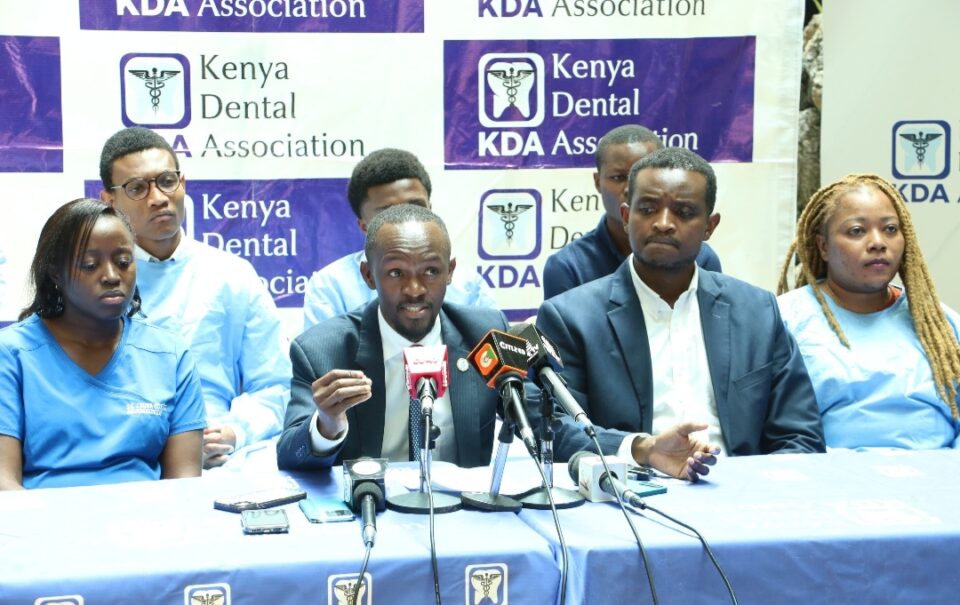
“Although the facts of the two cases differ, both have reinforced concerns about patient safety and the dangers posed by poorly performed dental procedures,” Kenya Dental Association (KDA) President, Dr. Kahura Mundia notes.
The dental profession is also warning of an increase in illegal dental practice, commonly referred to as quack dentistry.
“Unqualified individuals continue to offer services ranging from tooth extractions and root canal treatment to braces, dental implants, dentures and cosmetic procedures,” Dr. Mundia adds, noting that to make matters worse, these services are being dispensed from unlicensed premises, including residential houses, kiosks and beauty salons.
Many of them advertise lower prices, attracting patients seeking affordable care.
Experts caution that while the services may appear cheaper, the long-term consequences can be devastating.
Patients treated by unqualified practitioners risk severe infections, uncontrolled bleeding, fractured jaws, permanent nerve damage, facial deformities, loss of healthy teeth, prolonged disability and, in extreme cases, death.
Corrective treatment, they note, often costs significantly more than obtaining proper care from qualified professionals in the first place.
The High Court decision has renewed calls for stronger enforcement of professional standards and licensing requirements.
Stakeholders are urging regulators to intensify inspections of dental facilities, prosecute individuals practising illegally, strengthen supervision of oral health practitioners, and improve public awareness on how to identify licensed professionals.
There are also calls for better collaboration between county governments, regulators and professional associations to eliminate illegal dental practice.
For many in the profession, the AMURT judgment extends beyond compensation for one injured patient.
“It is a reminder that every healthcare provider owes patients a duty to exercise reasonable skill and care, and that failure to meet that obligation carries legal consequences,” Dr. Mundia notes.
More importantly, they say, it is a warning that protecting patients begins long before they sit in a dental chair—through proper training, adherence to professional standards, effective regulation and an informed public capable of distinguishing qualified practitioners from impostors.
As Kenya grapples with the growing challenge of quack dentistry, the message emerging from both the courts and the profession is unmistakable: a simple toothache should never end in permanent disability or death.
Patient safety must remain the foundation of every dental procedure.
