
Approximately 120,000 women go untreated annually following the unending challenges facing the maternal healthcare infrastructure in the country, reflecting a growing national burden.
This has been attributed to a critical shortage of trained fistula surgeons, delayed emergency obstetrics care and complications at childbirth. Experts caution that this is impeding progress to strengthen maternal healthcare systems.
However, various strategies including advocacy, free screening, surgery and counselling, are turning around the tide, boosting access to obstetrics care in a health facility.
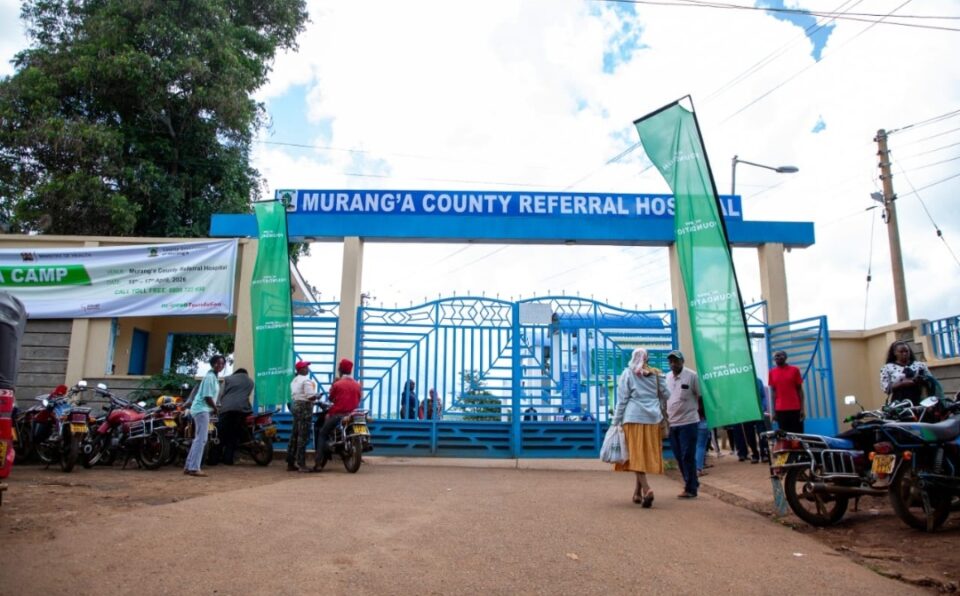
Such interventions took place in Murang’a County Referral Hospital recently, where women and girls underwent corrective fistula surgery, with others getting screened, and counseled. Others also underwent physiotherapy, and this was said to help enhance Kenya’s long-term capacity to manage fistula cases.
According to Vesicovaginal Fistula (VVF) nurse and trainer Christine Muthengi, some patients had lived with the condition for decades, with cases dating back over four decades. Muthengi pointed out that this has resulted in spouse separation and isolation by family members, causing social withdrawal.
“Obstetric fistula is a devastating childbirth injury that causes chronic incontinence, deep physical trauma and social isolation, from constant leakage to resultant foul smell, Women and girls are forced into hiding for years, to save them from shame,” she noted.
According to Muthengi, the biggest challenge in addressing fistula remains stigma, where patients are afraid to share their experiences.
“Due to the stigma associated, many choose to hide their condition, hence not seeking medical attention,” she said, noting that while the condition remains prevalent during childbirth, many women do not understand it, hence delay seeking medical care.
Despite Murang’a County’s strong maternal health indicators, including a 96 percent skilled birth attendance rate and a low teenage pregnancy rate of 7 percent, underlying challenges such as poverty, misdiagnosis and delays in accessing emergency obstetric care, has always increased the risk of obstetric fistula.
During the fistula camp held at the Murang’a County referral Hospital, 449 women and girls underwent corrective surgery, and treatment was offered to those with severe cases.
The initiative is a collaborative effort between the M-Pesa Foundation, Ministry of Health, and the Murang’a County Government, with support from clinical partners including the Flying Doctors and Amref Health Africa.
“No woman should have to suffer in silence. Fistula surgery may seem like a simple procedure, but the transformation it brings to a woman’s dignity, health and future is profound,” said Patricia Ithau, trustee, M-Pesa Foundation.
The M-Pesa Foundation has invested Sh8.1 million, part of a Sh213 million commitment to support the initiatives. Already more than 1,500 women in high-burden counties are accessing treatment and resuming their normal lives courtesy of the Mpesa Foundation.
