
Tobacco use is not just a personal choice it’s a public health crisis that kills approximately 12,000 Kenyans every year and threatens the health and economic potential of our generation. Tobacco smoking doesn’t just harm a single organ it damages the heart, lungs, and overall well-being of users and those exposed to second-hand smoke.
A 2022 study by the Tobacco Control Data Initiative (TCDI) revealed that 46% of 2,000 Kenyan patients treated for major NCDs, including cancers, had a history of tobacco use.
From 2012 to 2021, 1 in 6 deaths from tobacco-related illnesses and 1 in 3 cancer deaths (specifically cancers of the larynx, lungs, oral cavity, oesophagus, urinary system, stomach, and cervix) were attributable to smoking.
Raising tobacco taxes is one of the most effective strategies of reducing smoking rates especially for vulnerable populations such as the youth. When the price of cigarettes and other tobacco products goes up, fewer people especially youth with limited income cannot afford them. Furthermore, evidence from global public research shows that young people are two to three times more likely to respond to price increase than adults. Higher prices therefore discourage them from initiating to smoke and encourage users to quit.
Price increases through taxes are one of the most tobacco control tools recommended by the World Health Organization (WHO). Countries that implement high taxes see a drop in tobacco consumption and overtime in tobacco-related illness and death. However, the current excise taxes in Kenya on cigarettes are still low and fall below the threshold of the World Health Organisation (WHO) that excise taxes should form at least 70% of the retail prices share of cigarette. We are below 40%.
It is worth noting that tobacco taxation can benefit Kenya’s economy and health system contrary to tobacco industry claims. Strong tobacco taxation benefits both health and national budget as the government gets additional revenue.
Young people are uniquely affected by tobacco marketing and addiction trends. Low prices and easy availability make tobacco and nicotine products more attractive to students and teenagers. It is therefore imperative for the youth to demand tax policies that reflect the real cost of tobacco use and not just in money, but in lives and lost potential.
It is time for Kenya to build on global best practices and implement progressive, consistent, and youth-centered tobacco taxation that truly reflects the harm of tobacco use. We therefore call upon the policy makers to strengthen and increase tobacco taxation for the benefit of our health, communities and future.
As young advocates for a healthier Kenya, we call on policymakers to strengthen and increase tobacco taxation now for our health, for our communities, and for our future.
Tobacco smoking doesn’t just harm a single organ it damages the heart, lungs, and overall wellbeing of users and those exposed to second-hand smoke. According to research published in Tobacco Control Data Initiative, In Kenya, about 12,000 individuals die from tobacco smoking each year. In 2022, 46% of 2000 Kenyan patients undergoing treatment for chronic respiratory disease, cardiovascular disease, diabetes mellitus, malignant cancers and tuberculosis, had a history of tobacco use. . We also know that every year more than 6,000 Kenyans die from tobacco-related diseases and millions continue to use tobacco daily, including youth and children.
Taxes Save Lives Especially for Youths, Higher Tobacco taxes increase prices: When the price of cigarettes and other tobacco products goes up, fewer people especially young people with limited income can afford them. Evidence from global public health research shows that young people are two to three times more likely to respond to price increases than adults. Higher prices discourage them from starting to smoke and encourage current users to quit.
Tobacco Taxation reduces smoking: Price increases through taxes are one of the most effective tobacco control tools recommended by the World Health Organization. Countries that implement high taxes see a drop in tobacco consumption and, over time, in tobacco-related illness and death.
Taxes complement health policies: Tax increases should go hand-in-hand with public education, cessation support, and strict enforcement of tobacco control laws to reduce affordability and appeal especially for youth. Tobacco Taxation Benefits Kenya’s Economy and Health System Contrary to tobacco industry claims, evidence shows that strong tobacco taxation benefits both health and the national budget:
Increase government revenue:Tobacco taxes are easier to collect because the products are produced by a few manufacturers and have a relatively inelastic demand. Governments can use these funds to support health services and tobacco cessation programs.
Offset health costs: Treating tobacco-related illnesses costs Kenya hundreds of millions of shillings annually far exceeding what the government collects from tobacco taxes. Increasing taxes reduces both consumption and the long-term health burden on the public system.
Youth Voices Matter in Tobacco Tax Advocacy. Young people are uniquely affected by tobacco marketing and addiction trends. Low prices and easy availability make tobacco products more attractive to students and teenagers. We must demand tax policies that reflect the real cost of tobacco use not just in money, but in lives and lost potential.
Youth advocacy groups like Den of Hope Youth group working with coalitions like the Kenya Tobacco Nicotine Tax Coalition (KTNTC) are educating peers, holding policymakers accountable, and strengthening civic awareness of how smarter tobacco taxation can protect our generation and the next.
Conclusion
Tobacco taxes are not about inconvenience they’re about saving lives, investing in health, and protecting youth. Raising tobacco taxes is one of the most effective strategies Kenya can adopt to lower smoking rates, reduce disease, and secure a healthier, more prosperous future for all. Now is the time for Kenya to build on global best practices and implement progressive, consistent, and youth-centered tobacco taxation that truly reflects the harm of tobacco use.
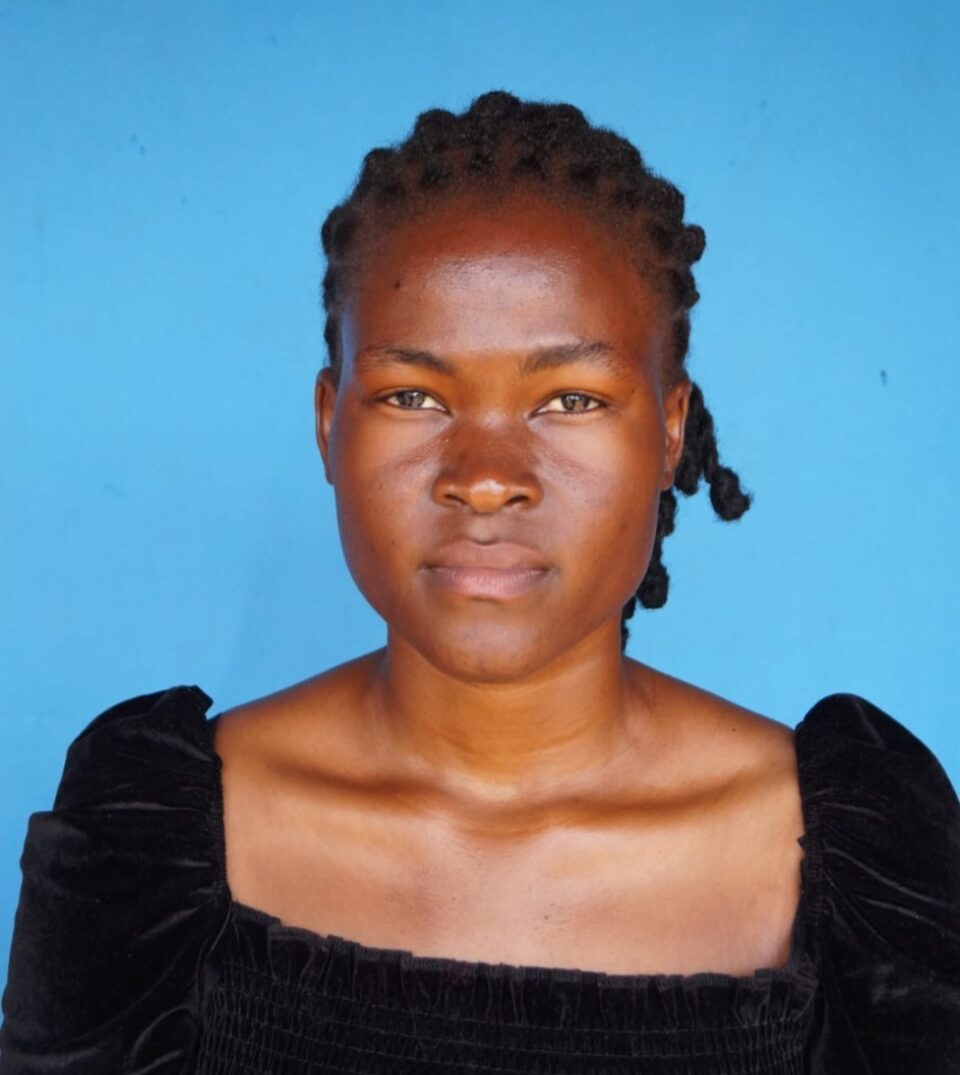
Written by Hellen Nafula, Vice -Chairperson DOHG, Youth Leader and Tobacco Control Advocate.
