
Improving compliance among taxpayers is a major concern for governments around the world. Globally, tax administrations are at a pivotal moment, as modern technology reshapes the tax ecosystem and elevates the importance of taxpayer support service in promoting compliance. Effective taxpayer support service is the cornerstone of a functional and compliant tax system. While numerous strategies exist to enhance these services, a key guiding principle is ensuring easy accessibility, providing accurate, timely information to taxpayers and tax administrators at the lowest possible cost. This principle spans three core areas; simplifying the tax structure, offering comprehensive assistance, and facilitating tax compliance. However, this can only be achieved if tax support services align with the needs of taxpayers. Bringing services closer to where taxpayers live and work can significantly boost compliance while reducing the associated costs of compliance. Kenya Revenue Authority (KRA) currently operates 136 service points countrywide, serving over 20 million registered taxpayers. Most of these service points are located in major towns, making it difficult and often costly, for many citizens to access tax services, especially in rural and underserved areas. Some taxpayers have to travel long distance to access KRA services which comes with cost. There is, therefore, an urgent need for KRA to expand its footprint by increasing its touchpoints across the country. Making services more accessible to various taxpayer segments is essential. One promising approach, proven effective in spreading the footprints especially in the banking sector, is the agent model.
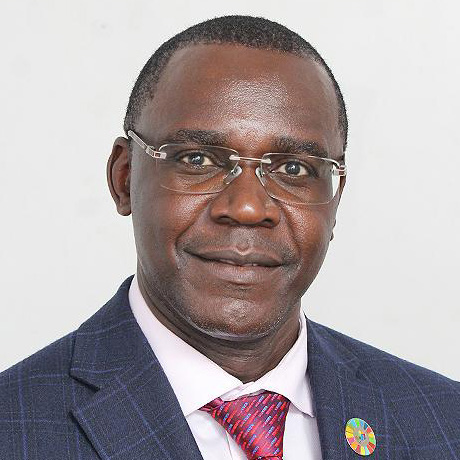
George Obell
ACTING COMMISSIONER
FOR MICRO AND SMALL
TAXPAYERS, KENYA
REVENUE AUTHORITY
The agent model’s primary advantage is its ability to bring services closer to the public. For instance, KCB Bank uses a vast network of over 16,000 agents to significantly extend its reach and enhance the customer experience beyond its 210 traditional branches. This model has also been successfully implemented by other institutions, including Equity Bank (42,000 agents), Co-operative Bank and Absa Bank (17,000 agents each), and Safaricom (7,793 agents). As the tax agency mandated to mobilise government revenue, funds that support public services and national development, KRA must adopt similarly innovative solutions that go beyond traditional office-based service delivery. Traditional tax offices often struggle to reach rural and marginalised communities due to geographical and infrastructural challenges. To address this challenge, KRA, through its Micro and Small Taxpayer Department, is implementing the agent model to expand its footprint and enhance accessibility. This strategy aims to provide tax services to areas with limited or no physical KRA offices. By establishing a widespread network, particularly in informal and rural areas, taxpayers will be able to access services such as filing returns, making payments, and other essential function at convenient local points. This eliminates the need for long distance travel, thereby simplifying the tax process for small businesses, informal sector players, and individuals in remote areas. KRA’s plan to recruit agents and establish tax kiosks in every county ward demonstrates a strong commitment to making tax services more accessible. It is a strategic move toward ensuring that every citizen has a local touchpoint for engaging with the tax system. Research has shown that a simplified and accessible tax system significantly boosts voluntary compliance by reducing misperception and lowering the costs associated with navigating complex procedures. Furthermore, effective taxpayer assistance, offering support not just in information provision, but also in filing, payments, dispute resolution, and query handling, builds trust and reduces the likelihood of conflicts.
How streaming services are reshaping Kenya’s entertainment landscape
In Kenya, content has never been just entertainment. It has always been a mirror, megaphone, and a movement. From the communal laughter around Vioja Mahakamani to the viral skits on TikTok, storytelling has remained central to our cultural identity—evolving with technology but never losing its soul. For decades, Kenyan television was a shared experience. Families gathered around flickering screens to watch shows like Vitimbi, which offered more than comic relief.

Elisha Kamau
PUBLIC RELATIONS
MANAGER AT
MULTICHOICE KENYA.
These programmes taught lessons in justice, family values, and unity. They sparked conversations in schools, workplaces, and even Parliament. They reminded us that storytelling is not just about escape, it’s about reflection. Today, the fireside tales of our grandparents have morphed into smartphone streams and social media scrolls. According to the Communications Authority of Kenya, mobile penetration exceeds 131.5 per cent, and over 80 per cent of Kenyans use smartphones. This means access to digital content is not just widespread—it’s instantaneous. Platforms like YouTube, Instagram, and TikTok have democratised storytelling, allowing anyone with a phone and an idea to reach thousands, sometimes millions. For young Kenyans, especially Gen Z, this shift is more than technological; it’s cultural. They use short-form content to express identity, challenge norms, and even earn a living. Their digital footprints are marked by authenticity, boldness, and a refusal to be boxed in by outdated stereotypes. They want to see their slang, their neighbourhoods, their struggles, and their dreams reflected on screen. And they’re not afraid to demand it. This hunger for real, relatable content is reshaping Kenya’s entertainment landscape. Productions that tackle taboo topics like modern relationships, mental health, and female empowerment are gaining traction. These stories resonate because they dare to be honest. They provoke debate, foster empathy, and build community. In a society where silence once reigned, streaming platforms have become spaces of dialogue. The numbers back this up. Kenya’s digital economy is booming. While agriculture still contributes around 22 per cent of gross domestic product (GDP), digital services are rapidly transforming consumer behaviour. A 2022 report revealed that over 76 per cent of Kenyan internet users aged 16 and above pay for digital services, placing the country among the global leaders in digital adoption. Streaming revenue is projected to hit $4.8 billion by 2028, growing at a compound annual rate of 5.2 per cent from 2023. This growth isn’t just about global blockbusters reaching Kenyan screens. It’s about Kenyan stories reaching the world—and each other. Streaming platforms, both international and homegrown, are investing in local productions that feel deeply Kenyan. From gritty urban dramas to reality shows that reflect everyday life, these stories prove that audiences don’t have to choose between local and global, they can embrace both. To stay relevant, media platforms must innovate constantly: investing in local talent, improving accessibility, and forging partnerships that make streaming easier and more affordable. Case in point with MultiChoice’s continuous investment in Showmax to offer local stories made by and for Kenyans. But beyond the business metrics and technological advances lies a deeper truth: content shapes how we see ourselves and how others see us. When Kenyans see their languages, voices, and experiences on screen, they feel recognised.
