
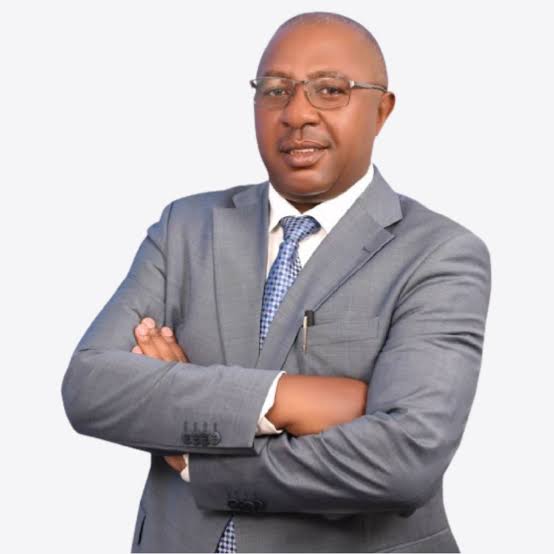
BY REBECCA WANGARI
The Kenya Secondary Schools Heads Association (KESSHA) has decried a financial crisis in learning institutions, warning that inadequate government capitation is threatening to cripple operations in schools.
KESSHA national chairman Willie Kuria said that despite the government announcing the release of funds to schools, the money allocated is still insufficient to meet the needs of learners.
Kuria said schools have received only Sh14,050 per learner this year against the stipulated annual capitation of Sh22,244.
He said this translates into a deficit of about Sh8,000 per learner, leaving schools struggling to meet basic operational costs.
Speaking in Murang’a, Kuria said schools require adequate funding to facilitate preparations for national examinations, which involve the purchase of large quantities of learning and examination materials.
He said Ministry of Education records indicate that Sh16,141 has been released per learner for secondary schools, but part of the allocation is retained by the ministry to finance other education-related expenses, including textbooks.
The government has said it disbursed Sh18.5 billion in capitation for the third term, including Sh10.96 billion to senior secondary schools for learners in Grades 10 to 12, Sh6.14 billion to junior secondary schools for learners in Grades 7 to 9 and Sh1.40 billion for primary school learners.
However, Kuria said the amount announced by the ministry does not fully translate into funds available to secondary schools.
“Not all money released by the government gets to the accounts because a part of it is retained by the Ministry of Education to facilitate other operations in the sector,” he said.
Kuria said other portions of the allocation are retained to cater for vote heads, including co-curricular activities and the Strengthening of Mathematics and Science in Secondary Education (SMASSE) programme.
He said schools are facing additional financial pressure as they seek to meet day-to-day operational costs while simultaneously preparing candidates for national assessments and the Kenya Certificate of Secondary Education (KCSE) examinations scheduled for later in the year.
Kuria added that the current funding shortfall is piling onto huge debts that schools have accumulated over the years as a result of delayed or incomplete capitation payments by the government.
He said the situation has left schools heavily indebted to suppliers, with some institutions unable to settle their bills unless the government releases the full amount of capitation owed.
“Last year we had a deficit of Sh6,560 per learner because the ministry released Sh15,383 for each student and retained Sh811, so we only got Sh14,572,” he said.
The KESSHA chairman said the financial crisis is further deepened by the fact that the government does not compensate schools for funding deficits carried forward from previous years.
He said schools have no alternative sources of revenue to bridge the shortfall, leaving heads of institutions in a difficult position as they struggle to keep their schools operational.
Kuria said school heads are now faced with the dilemma of whether to ask parents to pay additional charges to keep institutions running, despite government directives barring schools from imposing extra levies.
He warned that unless the funding crisis is addressed urgently, the education sector could face a serious financial crunch.
Kuria said the third term is particularly critical because schools require more resources to administer internal assessments, purchase examination materials and prepare candidates for national examinations.
He called on the government to ensure that schools receive the full capitation allocated for each learner, saying adequate and timely funding was essential for the smooth running of institutions and the delivery of quality education.
